Steel Case Smartwatch vs Aluminum: Which Is Better for Business?
If you're sourcing smartwatches for corporate use, bulk distribution, or private label branding, the case material is not a minor detail — it directly shapes product perception, durability, and profit margins. A steel case smartwatch projects professionalism and holds up under daily wear far better than most aluminum alternatives. For B2B buyers, that difference matters at scale. This article breaks down the real distinctions between steel and aluminum smartwatch cases, helping you make a data-backed procurement decision that protects your brand and your bottom line.
Understanding the Core Differences Between Steel and Aluminum Smartwatches
You should know exactly how steel and aluminum act differently in real life before you choose which one to buy in bulk.
Durability and Surface Resistance
On the Mohs scale, stainless steel is between 5.5 and 6.3, while standard 6000-series aluminum is between 2.5 and 3. In real life, steel is much better at resisting surface scratches, which is a big plus for gadgets that will be used on business trips, in the field, or in workplace settings where looks are important. Aluminum gets dented more easily when it hits something, which can lead to returns from customers and bad reviews for Amazon sellers.
Corrosion Resistance and Lifecycle
Steel forms an inactive oxide layer on its own that keeps water and heat from getting to it. Aluminum doesn't usually rust, but it does rust more quickly when it comes into contact with salt and chemicals. When purchasing managers look at the total cost over a product's lifetime, a steel-cased device usually keeps its surface quality for longer, which means that there are fewer returns and warranty claims for large orders.
Design, Comfort, and Band Compatibility
Steel cases have a weight and stiffness that make you think of quality right away, which is important for business branding and giving gifts to executives. Because aluminum is only about one-third as heavy as steel, it is easier to wear all day while doing hard work. Both metals can accommodate standard 20mm and 22mm band sizes. Real leather straps look great with steel cases for a professional look.
Display Protection and Thermal Performance
Steel frames are more rigid around the screen, so it's less likely that the screen will crack from side hits. Aluminum gets rid of heat more quickly, which can help with thermal management in devices with a lot of processing going on. But this thermal difference doesn't matter much to the user when using a tracker for normal work tasks like calendar alerts, health tracking, and mobile payments.
Key Business Benefits of Steel Case Smartwatches Compared to Aluminum
Wearable tech with a steel case has certain benefits that can directly improve a business's value, such as improving brand recognition and lowering problems that arise after the sale.
When buying for a business, steel-cased metal case smartwatches are a good choice because of the following:
- Professional appearance at scale: The weight and finish of a stainless steel case communicate quality in a way that aluminum cannot replicate. For executive gifts, corporate branding, or premium build smartwatch product lines, steel significantly lifts perceived value without requiring a major price increase.
- Lower return rates: Steel's scratch resistance means devices look newer for longer. Sellers on Amazon and Shopify report fewer appearance-related complaints with metal-cased wearables compared to anodized aluminum models, which can show wear within weeks of daily use.
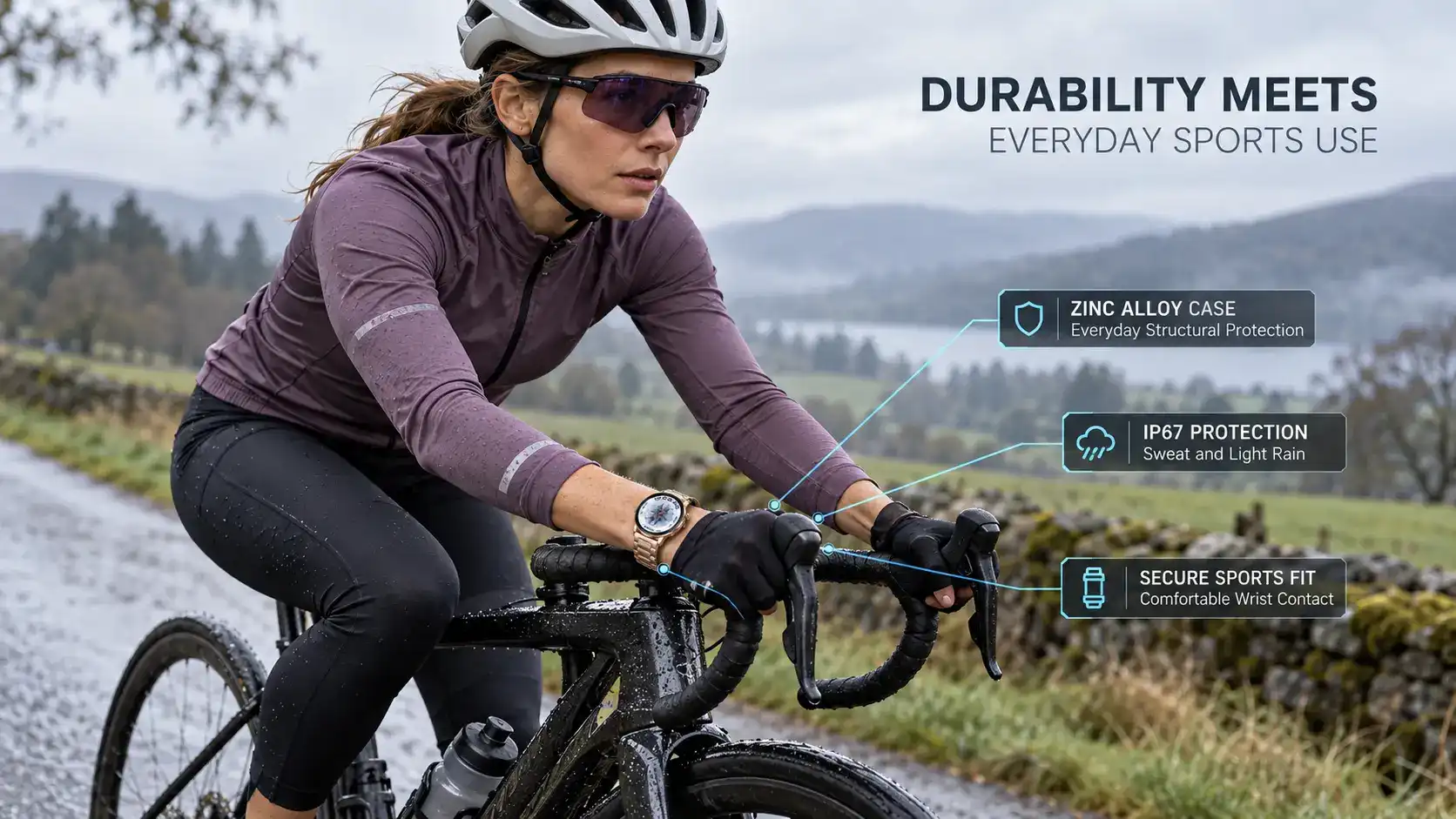
- IP67 water and dust resistance: Steel cases maintain seal integrity more reliably than aluminum under repeated pressure changes, supporting features like IP67-rated protection that holds up across business travel and varied working conditions.
These benefits lower direct after-sales costs and protect brand reviews, two very important things in fast-paced, high-volume e-commerce settings. Fewer failure claims mean better long-term margins for both OEM clients and wholesalers.
Steel Case vs Aluminum Case: Price, Value, and Market Trends in 2026
You can better use your buying budget if you know where each material stands in the market.
Typical Price Positioning
Smartwatches made of aluminum are usually in the entry-level to mid-range price range, while models made of steel are in the mid-range to high-end price range. For business-to-business buyers, this price difference is usually balanced out by the higher retail price steel commands. This means they can make more money per unit without having to pay more to get it.
Growing Market Preference for Steel
The Global Smart Wearable Market Report (Statista, 2023) says that people's tastes in high-end wearable materials have steadily grown. Cases made of stainless steel and metal alloys are becoming more popular in the



Steel Case Smartwatch vs Aluminum: Which Is Better for Business?
If you're sourcing smartwatches for corporate use, bulk distribution, or private label branding, the case material is not a minor detail — it directly shapes product perception, durability, and profit margins. A steel case smartwatch projects professionalism and holds up under daily wear far better than most aluminum alternatives. For B2B buyers, that difference matters at scale. This article breaks down the real distinctions between steel and aluminum smartwatch cases, helping you make a data-backed procurement decision that protects your brand and your bottom line.
Understanding the Core Differences Between Steel and Aluminum Smartwatches
You should know exactly how steel and aluminum act differently in real life before you choose which one to buy in bulk.
Durability and Surface Resistance
On the Mohs scale, stainless steel is between 5.5 and 6.3, while standard 6000-series aluminum is between 2.5 and 3. In real life, steel is much better at resisting surface scratches, which is a big plus for gadgets that will be used on business trips, in the field, or in workplace settings where looks are important. Aluminum gets dented more easily when it hits something, which can lead to returns from customers and bad reviews for Amazon sellers.
Corrosion Resistance and Lifecycle
Steel forms an inactive oxide layer on its own that keeps water and heat from getting to it. Aluminum doesn't usually rust, but it does rust more quickly when it comes into contact with salt and chemicals. When purchasing managers look at the total cost over a product's lifetime, a steel-cased device usually keeps its surface quality for longer, which means that there are fewer returns and warranty claims for large orders.
Design, Comfort, and Band Compatibility
Steel cases have a weight and stiffness that make you think of quality right away, which is important for business branding and giving gifts to executives. Because aluminum is only about one-third as heavy as steel, it is easier to wear all day while doing hard work. Both metals can accommodate standard 20mm and 22mm band sizes. Real leather straps look great with steel cases for a professional look.
Display Protection and Thermal Performance
Steel frames are more rigid around the screen, so it's less likely that the screen will crack from side hits. Aluminum gets rid of heat more quickly, which can help with thermal management in devices with a lot of processing going on. But this thermal difference doesn't matter much to the user when using a tracker for normal work tasks like calendar alerts, health tracking, and mobile payments.
Key Business Benefits of Steel Case Smartwatches Compared to Aluminum
Wearable tech with a steel case has certain benefits that can directly improve a business's value, such as improving brand recognition and lowering problems that arise after the sale.
When buying for a business, steel-cased metal case smartwatches are a good choice because of the following:
- Professional appearance at scale: The weight and finish of a stainless steel case communicate quality in a way that aluminum cannot replicate. For executive gifts, corporate branding, or premium build smartwatch product lines, steel significantly lifts perceived value without requiring a major price increase.
- Lower return rates: Steel's scratch resistance means devices look newer for longer. Sellers on Amazon and Shopify report fewer appearance-related complaints with metal-cased wearables compared to anodized aluminum models, which can show wear within weeks of daily use.
- IP67 water and dust resistance: Steel cases maintain seal integrity more reliably than aluminum under repeated pressure changes, supporting features like IP67-rated protection that holds up across business travel and varied working conditions.
These benefits lower direct after-sales costs and protect brand reviews, two very important things in fast-paced, high-volume e-commerce settings. Fewer failure claims mean better long-term margins for both OEM clients and wholesalers.
Steel Case vs Aluminum Case: Price, Value, and Market Trends in 2026
You can better use your buying budget if you know where each material stands in the market.
Typical Price Positioning
Smartwatches made of aluminum are usually in the entry-level to mid-range price range, while models made of steel are in the mid-range to high-end price range. For business-to-business buyers, this price difference is usually balanced out by the higher retail price steel commands. This means they can make more money per unit without having to pay more to get it.
Growing Market Preference for Steel
The Global Smart Wearable Market Report (Statista, 2023) says that people's tastes in high-end wearable materials have steadily grown. Cases made of stainless steel and metal alloys are becoming more popular in the $100–$300 price range. This trend supports a move toward steel-cased goods for sellers who want to attract buyers who care about quality.
Supplier Reliability and Warranty Considerations
When you buy in bulk, warranty terms and a reliable supplier are more important than unit price alone. Quality guarantees are usually better for models with steel cases from well-known OEM makers. This is because steel itself lowers the number of surface defects. On every buying checklist, you should look at the supplier's certificates, the quality of the samples, and how quickly they respond after the sale.
How to Choose the Right Smartwatch Material for Your Business Needs
The best option for you will depend on your use case, customer profile, and sales channel.
Matching Material to Use Case
Steel is the best material for high-end product lines, professional wear, and business gifts. Its professional finish goes well with the look of an office and high-value packaging. Aluminum is still a good choice for items aimed at fitness fans or young people, where weight is more important than style. Steel's structural strength is useful in both field activities and manufacturing settings.
Evaluating Total Lifecycle Value
The return on investment (ROI) is higher for a steel-cased unit that costs 15% more at the source but earns 30% less over six months. A single wave of quality complaints can cost Amazon FBA sellers with small review margins a lot more than the savings they would have made on cheaper metal case smartwatch inventory. Lifecycle value should be worked out for the whole sale cycle, not just the order.
Tailored Recommendations by Buyer Segment
When making high-end clothing lines, OEM and private label brands should always use steel for their most popular styles. Steel has a nice look that doesn't cost much more for distributors who sell business gifts. Shopify and TikTok Shop sellers who want to attract customers who care about quality will find that steel-cased items convert more often and get better reviews over time.
Procurement Tips: Buying Steel Case Smartwatches with Confidence
Getting the right product from the right seller will protect both your brand's image and your profit margins.
Choose Verified OEM Suppliers
Only work with makers who have the right licenses and can give you samples of their products before you buy a lot of them. A verified OEM provider will have clear wait times, regular batch quality, and documented quality control methods. All of these things make the procurement process much safer.
Leverage Flexible MOQ and Customization Options
Low minimum order numbers let sellers try new SKUs and see how the market responds before going big. The best suppliers can handle both small test orders and big replenishment batches in the same production system. This gives you the freedom to change your inventory without losing unit economics.
Evaluate After-Sales Support Carefully
Strong after-sales support, such as taking care of warranties, having replacement parts on hand, and communicating quickly, is what sets reliable partners apart from one-time vendors. Before you place a large order, make sure you know how the supplier handles defective units and large-scale warranty claims.
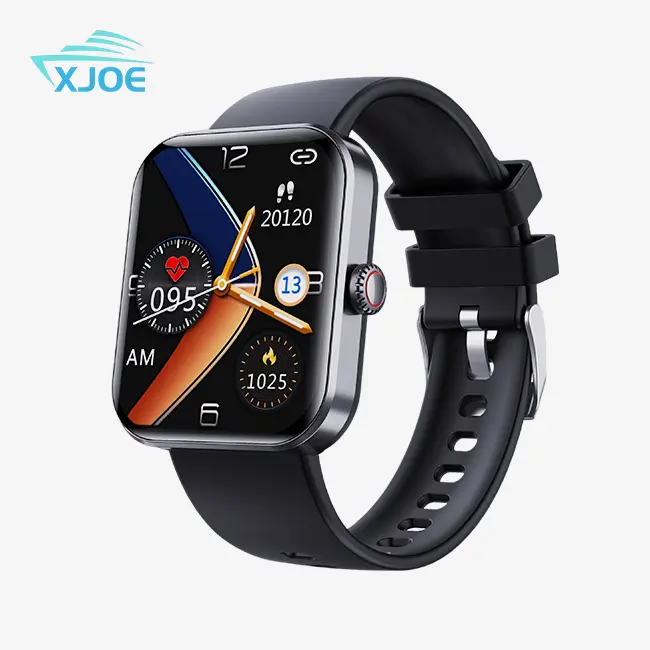
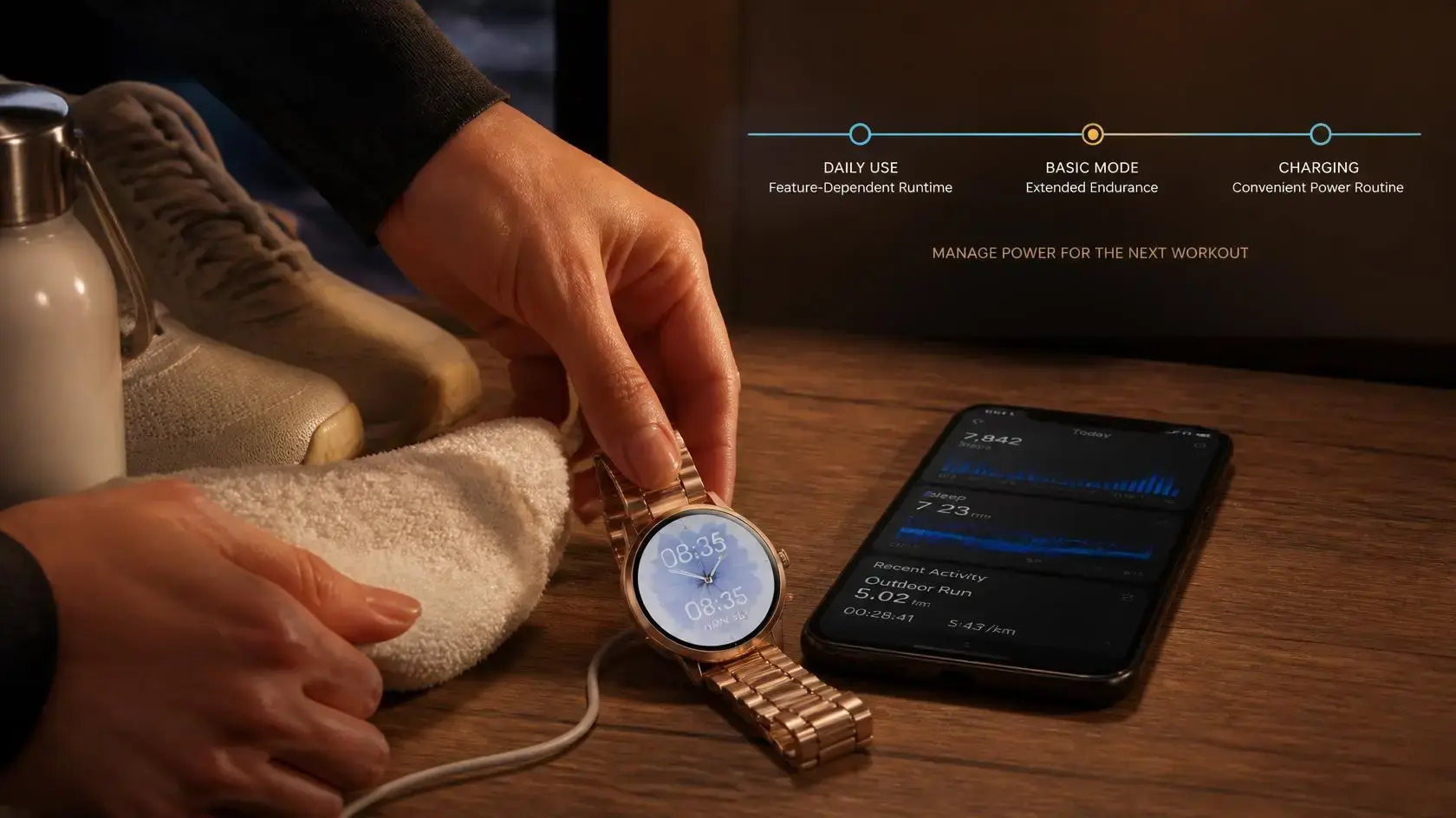
For business purchases, Xizhou's stainless steel smartwatch with a 2.05-inch IPS color display (240x280 resolution) and a 300mAh battery that can be charged wirelessly is something to think about. It works with the Tianyi Hexin 3300 heart rate monitor and has BLE 5.0 and IP67 water protection. The real leather strap and zinc metal body give it a professional look, and features like calendar sync, email previews, mobile payment, and support for transit cards meet real work needs. The device comes in Black, Silver, and Rose Gold, runs on the RDFit app, and has software that works with 14 languages. This means that it can be sold in North America, Europe, and Asia.
Conclusion
When it comes to B2B buying, steel case smartwatches always do better than aluminum ones when it comes to surface durability, professional look, and long-term quality consistency. Aluminum is lighter and cheaper than steel, but steel is better for high-end products, company gifting programs, and high-volume e-commerce platforms. The business case for stainless steel is better for Amazon sellers, OEM brands, and resellers who care about review quality and long-term value.
FAQ
1. Is a steel case smartwatch more durable than aluminum?
Yes. Steel scores significantly higher on hardness scales and resists surface scratches and dents better than aluminum alloys. For business use, this translates to a longer presentable lifespan and fewer appearance-related complaints.
2. Does the case material affect battery life?
Case material does not directly affect battery capacity, but it influences thermal management. Aluminum dissipates heat slightly faster, but for standard business smartwatch functions — notifications, health tracking, and payments — this difference does not produce a noticeable impact on battery performance in daily use.
3. Does a steel case affect waterproof performance?
Steel cases generally maintain IP-rated seals more reliably than aluminum under repeated use. Devices like Xizhou's stainless steel smartwatch carry IP67 certification, providing solid protection against dust and water in business travel environments.
4. Which material is better for corporate gifting?
Steel is the preferred choice for corporate gifts. Its weight, finish, and perceived quality align with premium branding expectations, making a stronger impression on recipients than aluminum alternatives.
5. Can I customize the branding on steel case smartwatches?
Yes. Reputable OEM suppliers support logo engraving, color selection, and custom packaging on steel-cased models. Xizhou offers OEM customization across multiple colorways and can accommodate both small trial orders and large bulk programs.
Partner with Xizhou for Your Steel Case Smartwatch Supply
Xizhou is a verified steel case smartwatch maker that can offer a low minimum order quantity, quick shipping, and full OEM personalization. Our team is ready to help you with private label branding, bulk stock for distribution, or ideas for business gifts. To get samples or talk about your buying needs right away, email us at 13266508958@163.com.
References
1. Statista Research Department. Global Smart Wearable Market Revenue and Growth Forecast. Statista, 2023.
2. Grand View Research. Smartwatch Market Size, Share & Trends Analysis Report. Grand View Research, 2023.
3. IDC. Worldwide Wearable Device Market Tracker. International Data Corporation, 2023.
4. Callister, William D., & Rethwisch, David G. Materials Science and Engineering: An Introduction. Wiley, 2020.
5. Business of Fashion. Consumer Preferences for Premium Wearable Aesthetics in Corporate Markets. BoF Insights, 2022.
6. Mordor Intelligence. Wearable Technology Market — Growth, Trends, and Forecasts. Mordor Intelligence, 2024.







Supplier Reliability and Warranty Considerations
When you buy in bulk, warranty terms and a reliable supplier are more important than unit price alone. Quality guarantees are usually better for models with steel cases from well-known OEM makers. This is because steel itself lowers the number of surface defects. On every buying checklist, you should look at the supplier's certificates, the quality of the samples, and how quickly they respond after the sale.
How to Choose the Right Smartwatch Material for Your Business Needs
The best option for you will depend on your use case, customer profile, and sales channel.
Matching Material to Use Case
Steel is the best material for high-end product lines, professional wear, and business gifts. Its professional finish goes well with the look of an office and high-value packaging. Aluminum is still a good choice for items aimed at fitness fans or young people, where weight is more important than style. Steel's structural strength is useful in both field activities and manufacturing settings.
Evaluating Total Lifecycle Value
The return on investment (ROI) is higher for a steel-cased unit that costs 15% more at the source but earns 30% less over six months. A single wave of quality complaints can cost Amazon FBA sellers with small review margins a lot more than the savings they would have made on cheaper metal case smartwatch inventory. Lifecycle value should be worked out for the whole sale cycle, not just the order.
Tailored Recommendations by Buyer Segment
When making high-end clothing lines, OEM and private label brands should always use steel for their most popular styles. Steel has a nice look that doesn't cost much more for distributors who sell business gifts. Shopify and TikTok Shop sellers who want to attract customers who care about quality will find that steel-cased items convert more often and get better reviews over time.
Procurement Tips: Buying Steel Case Smartwatches with Confidence
Getting the right product from the right seller will protect both your brand's image and your profit margins.
Choose Verified OEM Suppliers
Only work with makers who have the right licenses and can give you samples of their products before you buy a lot of them. A verified OEM provider will have clear wait times, regular batch quality, and documented quality control methods. All of these things make the procurement process much safer.
Leverage Flexible MOQ and Customization Options
Low minimum order numbers let sellers try new SKUs and see how the market responds before going big. The best suppliers can handle both small test orders and big replenishment batches in the same production system. This gives you the freedom to change your inventory without losing unit economics.
Evaluate After-Sales Support Carefully
Strong after-sales support, such as taking care of warranties, having replacement parts on hand, and communicating quickly, is what sets reliable partners apart from one-time vendors. Before you place a large order, make sure you know how the supplier handles defective units and large-scale warranty claims.
For business purchases, Xizhou's stainless steel smartwatch with a 2.05-inch IPS color display (240x280 resolution) and a 300mAh battery that can be charged wirelessly is something to think about. It works with the Tianyi Hexin 3300 heart rate monitor and has BLE 5.0 and IP67 water protection. The real leather strap and zinc metal body give it a professional look, and features like calendar sync, email previews, mobile payment, and support for transit cards meet real work needs. The device comes in Black, Silver, and Rose Gold, runs on the RDFit app, and has software that works with 14 languages. This means that it can be sold in North America, Europe, and Asia.
Conclusion
When it comes to B2B buying, steel case smartwatches always do better than aluminum ones when it comes to surface durability, professional look, and long-term quality consistency. Aluminum is lighter and cheaper than steel, but steel is better for high-end products, company gifting programs, and high-volume e-commerce platforms. The business case for stainless steel is better for Amazon sellers, OEM brands, and resellers who care about review quality and long-term value.
FAQ
1. Is a steel case smartwatch more durable than aluminum?
Yes. Steel scores significantly higher on hardness scales and resists surface scratches and dents better than aluminum alloys. For business use, this translates to a longer presentable lifespan and fewer appearance-related complaints.
2. Does the case material affect battery life?
Case material does not directly affect battery capacity, but it influences thermal management. Aluminum dissipates heat slightly faster, but for standard business smartwatch functions — notifications, health tracking, and payments — this difference does not produce a noticeable impact on battery performance in daily use.
3. Does a steel case affect waterproof performance?
Steel cases generally maintain IP-rated seals more reliably than aluminum under repeated use. Devices like Xizhou's stainless steel smartwatch carry IP67 certification, providing solid protection against dust and water in business travel environments.
4. Which material is better for corporate gifting?
Steel is the preferred choice for corporate gifts. Its weight, finish, and perceived quality align with premium branding expectations, making a stronger impression on recipients than aluminum alternatives.
5. Can I customize the branding on steel case smartwatches?
Yes. Reputable OEM suppliers support logo engraving, color selection, and custom packaging on steel-cased models. Xizhou offers OEM customization across multiple colorways and can accommodate both small trial orders and large bulk programs.
Partner with Xizhou for Your Steel Case Smartwatch Supply
Xizhou is a verified steel case smartwatch maker that can offer a low minimum order quantity, quick shipping, and full OEM personalization. Our team is ready to help you with private label branding, bulk stock for distribution, or ideas for business gifts. To get samples or talk about your buying needs right away, email us at 13266508958@163.com.
References
1. Statista Research Department. Global Smart Wearable Market Revenue and Growth Forecast. Statista, 2023.
2. Grand View Research. Smartwatch Market Size, Share & Trends Analysis Report. Grand View Research, 2023.
3. IDC. Worldwide Wearable Device Market Tracker. International Data Corporation, 2023.
4. Callister, William D., & Rethwisch, David G. Materials Science and Engineering: An Introduction. Wiley, 2020.
5. Business of Fashion. Consumer Preferences for Premium Wearable Aesthetics in Corporate Markets. BoF Insights, 2022.
6. Mordor Intelligence. Wearable Technology Market — Growth, Trends, and Forecasts. Mordor Intelligence, 2024.