

Smartwatch 2 in 1 for Fitness Brands: What Should Buyers Consider First?
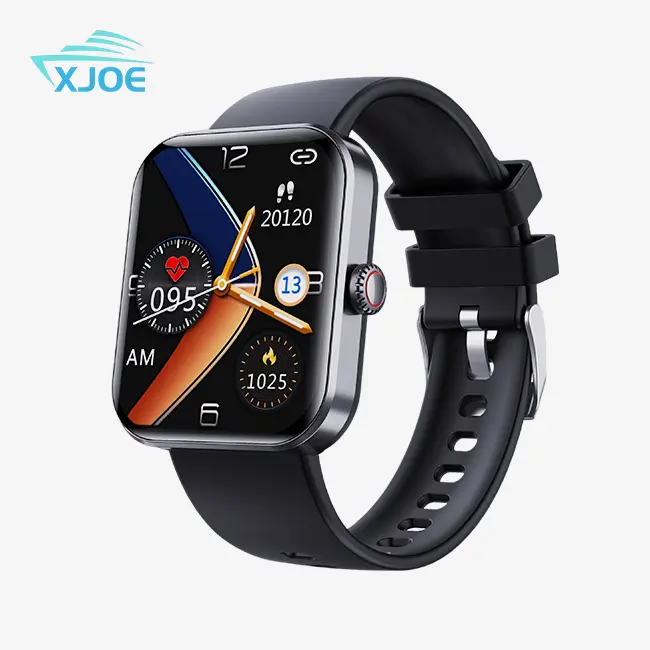
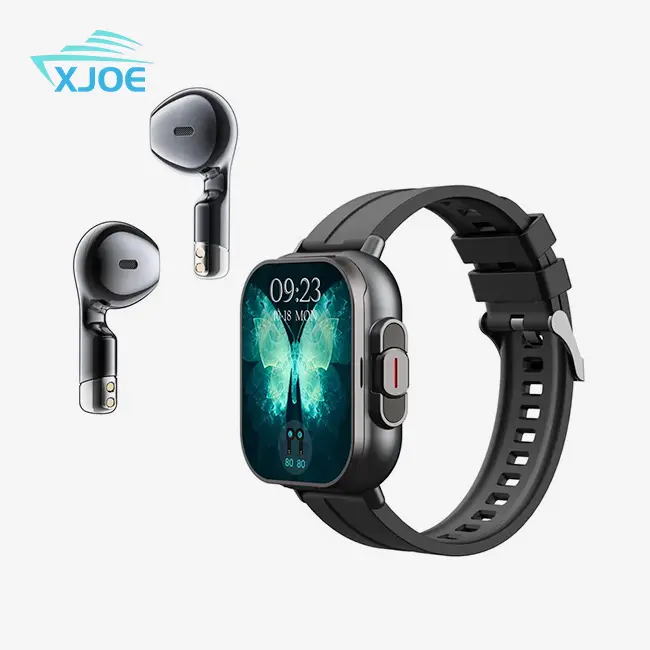
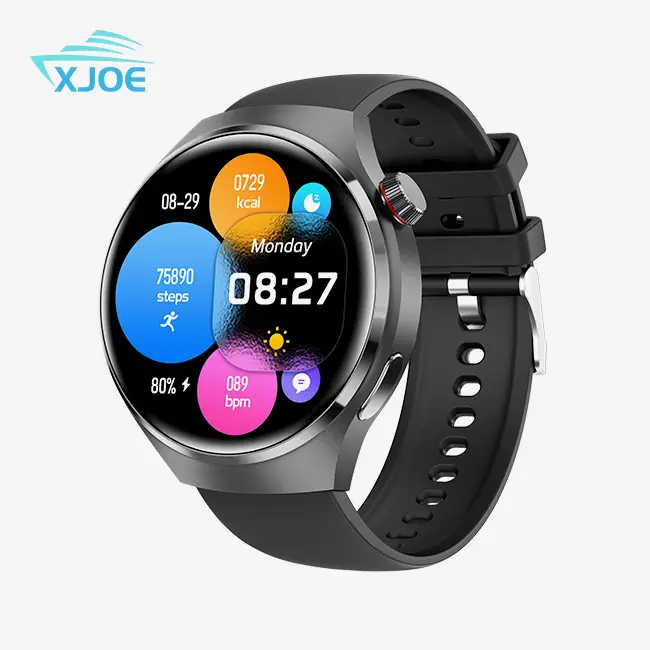
If you're sourcing wearables for a fitness brand, the smartwatch 2 in 1 category deserves your full attention right now. These devices combine a full-featured fitness tracker with a detachable Bluetooth earpiece — all in one unit. Instead of carrying a separate earbud case, the watch itself holds and charges the earbuds. For Amazon FBA sellers, private label brands, and B2B distributors, this dual-function design opens a real product opportunity in the US market. Before placing a bulk order, though, there are several things every buyer needs to get right.
Understanding the Smartwatch 2-in-1 Concept and Its Value for Fitness Brands
This group of devices makes things a lot easier. Most people who are active carry both a smartwatch and wireless earbuds, which means they have to keep track of two devices, two charging cases, and two items. The smartwatch 2-in-1 is meant to help with what the company that made it calls "peripheral management fatigue."
What Makes It Different From a Standard Smartwatch
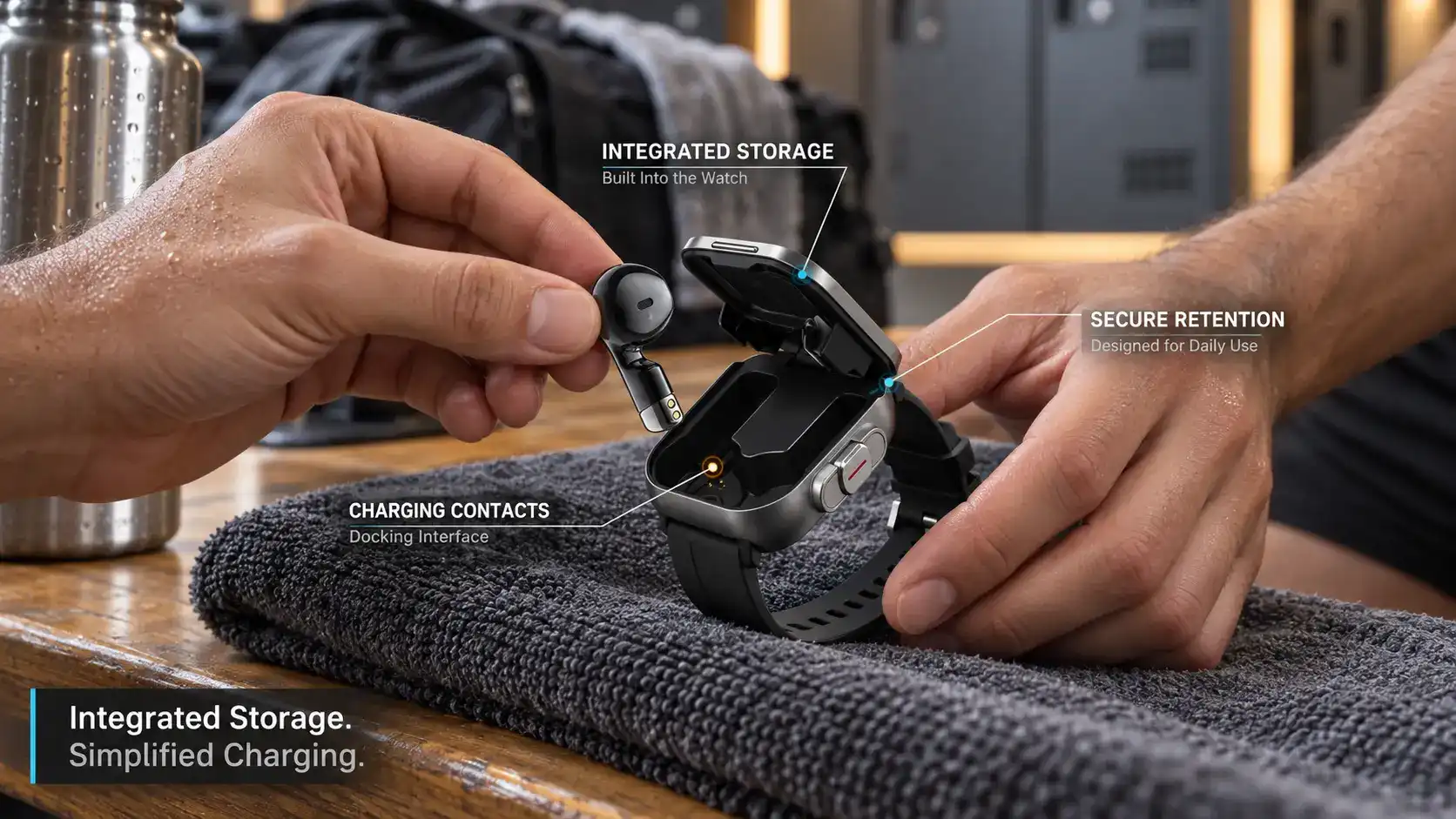
The watch stores the Bluetooth speaker inside the case itself. The person takes out the earbud and talks on the phone quietly when the call comes in. It snaps back in and charges itself when the call is over. This is not a software trick; it needs a special body made of metal that has charging ports inside and magnetic retention.
Why Fitness Brands Specifically Benefit
People who are into fitness are already used to wearing tech. A real selling point is that they can make calls without adding extra weight to their carry. This type of device increases daily engagement for companies that offer paid fitness apps or group fitness programs, since users wear it during workouts and at work.
The Data Angle for Brand Strategy
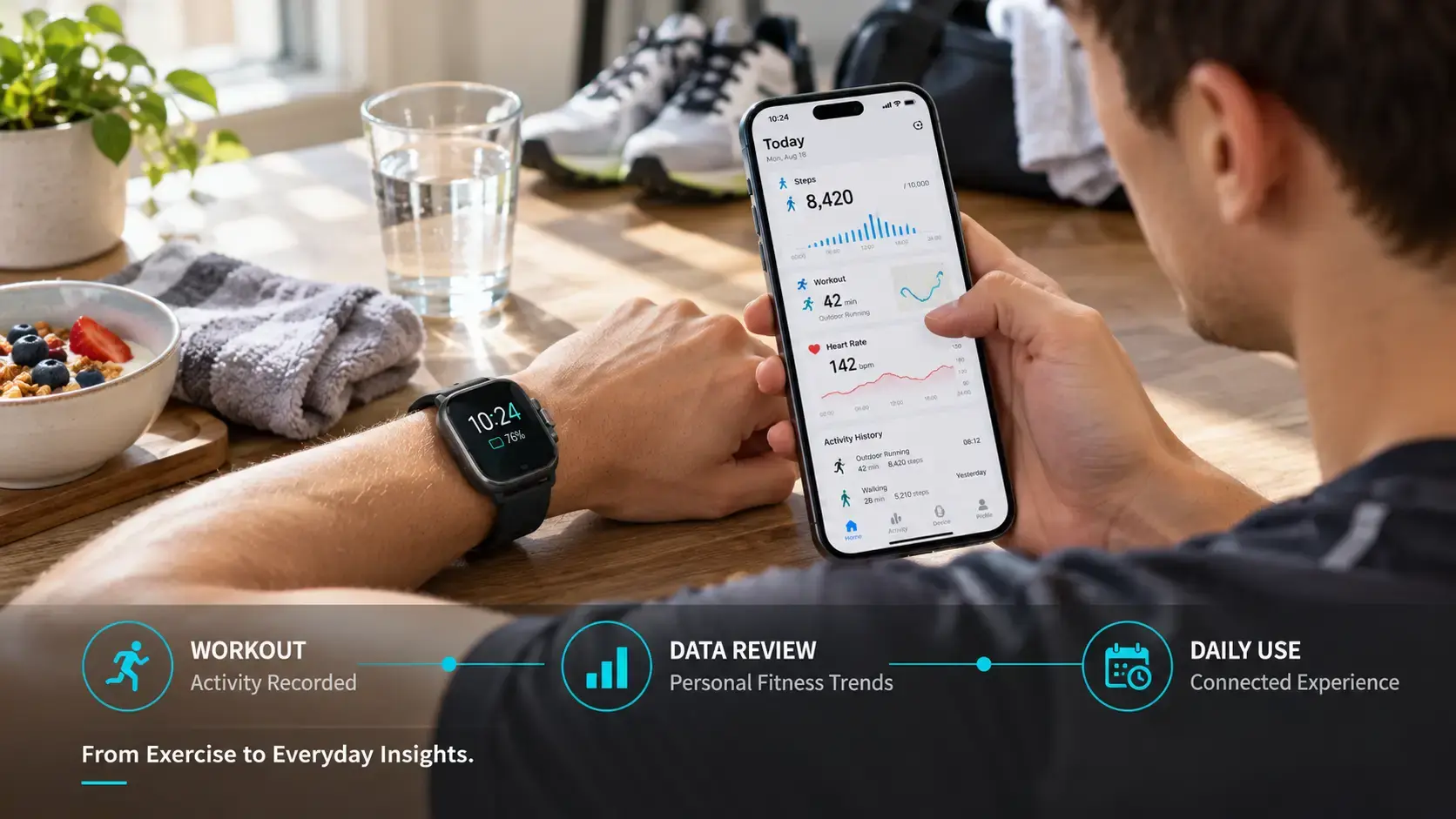
Real-time health data, like heart rate, sleep quality, step count, and calorie burn, lets exercise brands offer more personalized training. The dataset gets bigger when a device is worn for 16 hours or more a day because it also takes calls. When put into an exercise app, that information can be used to keep people coming back.
Key Features and Performance Metrics to Evaluate Before Purchasing
Not every hybrid watch and earbud is made to the same high standard. Before committing to goods, buyers who are looking for items to resell or put their own name on should think about the following technical standards for their 2 in 1 earbuds and smartwatch inventory:
- Display quality: A 2.01-inch IPS screen with a resolution of 640x480 makes the screen easy to read in bright sunlight. IPS panels show colors correctly from any angle, which is important for fitness apps and alert screens while you're working out.
- Battery performance: People can really wear a device for a week even if it says it can be used for 5–7 days in normal conditions. The watch's main battery is used to charge the earbuds, so buyers should make sure the main cell has more than 400mAh to avoid it dying too soon.
- Water resistance: An IP65 rating means that it can handle rain, splashes, and sweat. It's not made to be submerged, which is normal for devices with open docking ports. To avoid bad reviews, this should be made clear in product descriptions.
- Build materials: The alloy case is made with a stainless steel strap and button clasp buckle, which makes it durable at a mid-range price. It's important to make sure that sweat won't rust the gold-plated pogo pins that are used for charging.
- Charging method: Wireless charging gets rid of a real port, so there is less chance of water getting in and less wear from daily plug-in cycles.
These specs directly affect how happy customers are and how many times they return items. You can protect your seller stats and brand image on any platform by checking them out before making a big order.
Comparing Smartwatch 2-in-1 Models: What Fitness Brands Should Know
The market for smartwatch 2-in-1s that also have earbuds is smaller and more specialized than the market for smartwatches in general. This gives sourcing teams more power but also less room for error.
Android-Based vs. Cross-Platform Options
Devices that run Android OS let you add apps and change the software in many ways. Watches that run on Android let OEM clients name the user interface and install custom apps ahead of time, which isn't possible with big brands' proprietary systems. This is very important for exercise brands that are building their own communities.
User Demographics and Product Fit
In this case, a segmented buying approach makes sense. A lightweight design and audio input work well for marathon runners and HIIT athletes while they train. Businesspeople answer to calls that go smoothly from the wrist speaker to the private earpiece. Logistics and field operations teams, which is a rising B2B market niche, can communicate with dispatchers hands-free and without having to carry around fragile accessories. Price and design difficulty are different for each section.
Evaluating Bluetooth Audio Quality
Because they have to fit inside the watch, the earbuds use drivers in the 6–8mm range. This size works fine for voice calls and audio feedback, but it won't have the bass output of 10mm+ driver earbuds that stand alone. For people who buy fitness brands, this is fine—call clarity and notification sound are more important than music for audiophiles.
Strategic Procurement Considerations for B2B Buyers
It takes more work to find a combination 2 in 1 earbuds and smartwatch than it does to find a normal ornament. Mechanical parts like the hinge or magnetic housing, the pogo pin contacts, and the earpiece retention can cause problems that regular quality control routines might miss.
Supplier Quality Control Standards
Any trustworthy manufacturer should put the docking mechanism through 10,000 to 50,000 open and close cycles of mechanical testing before approving the shipment. ISO 9227 says that the charge contacts should be tested with salt spray to protect them from rust caused by sweat. Buyers should ask for QC paperwork for both.
MOQ, Customization, and Lead Time
Low minimum order quantities lower inventory risk for Amazon FBA sellers who are trying out a new SKU. Private label brands need to print their logos, have their own packages, and sometimes even name the firmware. By confirming these skills up front and giving reasonable lead times, you can avoid costly delays during busy times or launch windows.
Total Cost of Ownership
It only takes one input to find the unit cost. Think about how often items are returned, how quickly guarantee claims are handled, and how quickly items are restocked. A slightly higher unit cost from a supplier with good after-sales service usually leads to higher margins than a cheaper source whose quality isn't always reliable.
How Fitness Brands Can Leverage This Device to Enhance Customer Engagement
Brands that are strong don't just sell things; they make people habitual. A smartwatch 2-in-1 that people take with them from their morning workout to their afternoon meetings gets a lot more attention than one that is left on the desk.
Integrating With Fitness Apps and Platforms
Devices that run on Android can work with apps from popular fitness platforms. Brands can set up app links ahead of time, which makes it easy for new customers to start using their products. This works especially well for fitness services that you pay for every day, since daily device engagement directly affects retention rates.
Private Label as a Differentiation Tool
With OEM customization, fitness brands can make a product that looks and feels like it belongs to them. This can be done with branded watch faces, logo packaging, and custom app interfaces. In the devices market, where a product stands on the shelf and how it's unboxed are what encourage return purchases and word-of-mouth recommendations.
Community and Challenge Programs
Heart rate and movement tracking data from wearables can power group fitness tasks in an app ecosystem for a brand. Engaged users see how their stats compare to a group of people, which makes them more likely to join. The device is where you can interact with a digital fitness program.
Conclusion
If you're looking for a smartwatch 2 in 1 that can do two things, you need to pay attention to both the quality of the hardware and how well it fits your brand. This category is really competitive in the US market thanks to features like removable earbuds, long battery life, IP65 waterproof, wireless charging, and sturdy build materials. Buyers can safely move goods and build customer trust over time if they check the supplier's quality control standards, make sure the OEM can do what they say they can do, and make sure the device specs are right for the people they want to buy it.
FAQ
1. How long does the battery last under real use conditions?
The battery lasts for 5 to 7 days with average daily use, such as tracking your health and making a few calls. Charging the earbuds from the watch's main battery does use more power, so people who make a lot of calls may see the lower end of that range.
2. Is this device compatible with iPhone users?
The watch runs Android OS, which is designed to work best with Android phones. iOS may be able to use Bluetooth for basic functions like calls and notifications, but Android is the only platform that can fully integrate apps and firmware. Buyers who want to reach people who mostly use iPhones should confirm with the supplier the range of compatibility.
3. What is the water resistance rating?
With an IP65 grade, the device can handle sweat, rain, and splashes without any problems. It's not made to be submerged. A better IP rating isn't possible because the docking hole for the earpiece is open. This is a common trade-off in this product category.
4. Can the product be customized with our brand logo?
Yes, OEMs can customize their products by putting their logos on them, making their own boxes, and designing their own watch faces. Talk to your provider directly to find out what kinds of customization are available and how much of an order is needed.
5. What audio quality should buyers communicate to customers?
Because the speaker drivers are small enough to fit inside the watch, the sound quality is good for calls and exercise tracking. In terms of bass depth, it's not as good as high-end headphones that you wear on their own.
Partner With Xizhou for Your Next Smartwatch 2-in-1 Order
Xizhou can do both OEM and ODM work for the smartwatch 2 in 1 category, from small trial orders with low MOQ to large-scale private label production. Our factory has all the necessary licenses and follows strict quality control rules. It also ships quickly to sellers and distributors in the US. Our team can work quickly to make logos or unique boxes for you. Get in touch with us at 13266508958@163.com to talk about your sourcing needs.
References
1. Grand View Research. (2023). Wearable Technology Market Size, Share & Trends Analysis Report. Grand View Research.
2. Statista. (2024). Smartwatch Unit Shipments Worldwide, 2014–2024. Statista.
3. International Organization for Standardization. (2022). ISO 9227: Corrosion Tests in Artificial Atmospheres — Salt Spray Tests. ISO.
4. IDC. (2023). Worldwide Wearables Market Quarterly Tracker, Q4 2023. International Data Corporation.
5. Consumer Technology Association. (2023). U.S. Consumer Technology Sales and Forecasts. CTA.
6. Journal of Medical Internet Research. (2022). Accuracy of Consumer-Grade Wearable Sensors for Heart Rate Monitoring During Physical Activity. JMIR Publications.