

Aluminum Smartwatch Battery Life Guide: Tips to Make It Last Longer
Making sure your Aluminum Smartwatch has the longest battery life possible isn't just a matter of ease; it's also important for businesses, e-commerce sellers, and procurement workers who are looking for wearable tech. If you use your Aluminum Smartwatch the right way, it can easily last seven days on a single charge. This means you can use it without interruption during busy times, long shifts, or work outside. The aluminum body is light and comfortable to wear all day, and the 1.95-inch IPS color screen with 320x385 resolution makes it easy to see your health info and messages. Knowing how to get the most out of a battery directly leads to less downtime, lower costs, and happier users, all of which are important things to think about when looking at smartwatch choices for large orders or private label branding.
Understanding Aluminum Smartwatch Battery Life
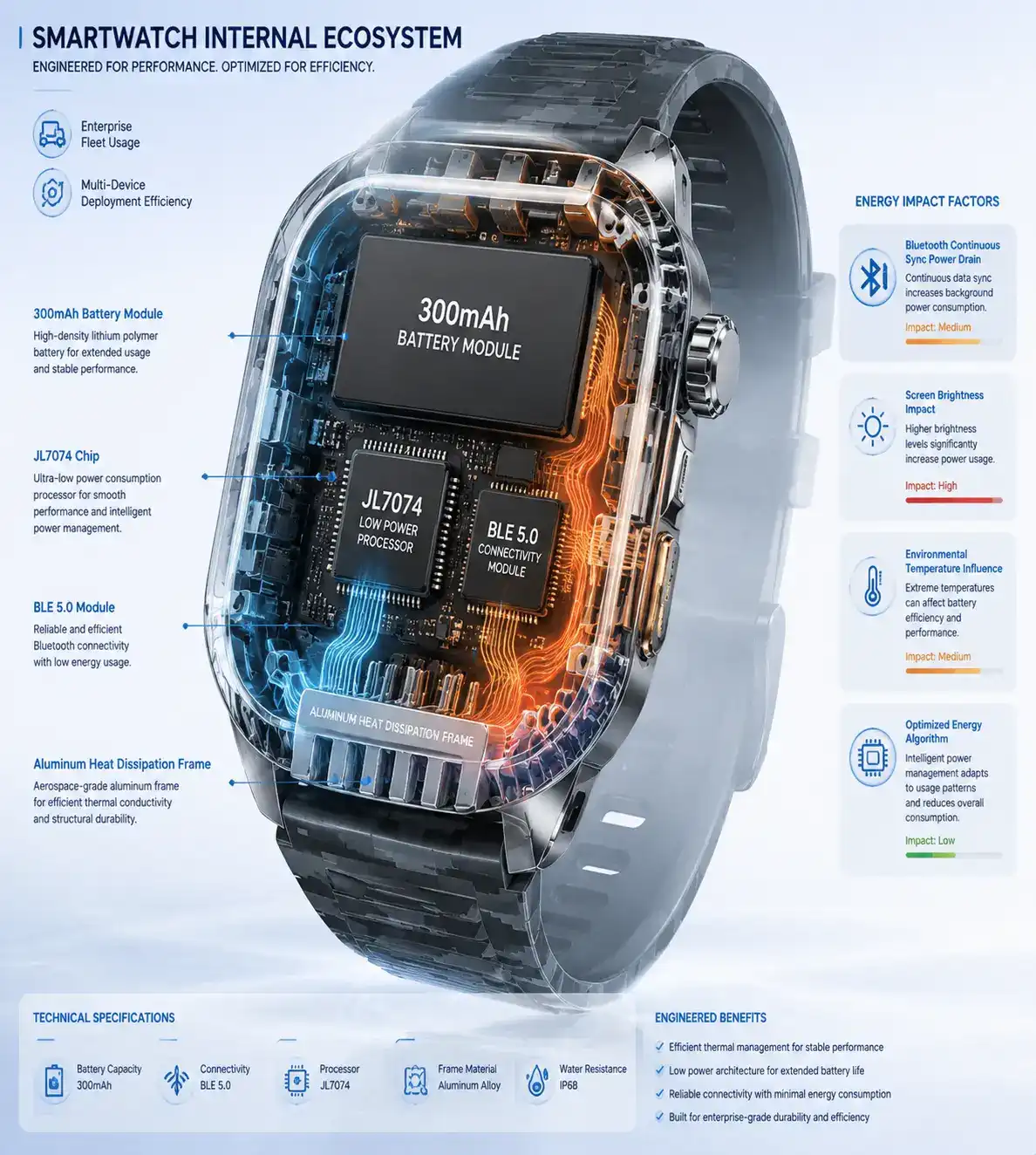
The performance of the battery in an Aluminum Smartwatch is influenced by a number of linked factors, such as the size of the battery, how well the chip works, and how well the metal case handles heat. When you combine a 300mAh battery with a JL7074 chip, you get regulated energy use that's good for everyday professional use. Aluminum frames naturally dissipate heat better than plastic frames, so they don't get too hot when doing intense jobs like GPS tracking or constant Bluetooth connectivity via BLE 5.0.
How Battery Capacity Affects Daily Performance
A 300mAh battery might not seem like much, but when mixed with smart power control algorithms, it can be used normally for up to seven days. This battery life is good for Amazon sellers, Shopify brands, and TikTok Shop owners who need reliable devices to test their products or show them to customers without having to charge them all the time.
The Role of Aluminum in Thermal Efficiency
Aluminum's ability to conduct heat helps keep working temperatures at the right level, which has a direct effect on the long-term health of the battery. The metal case effectively spreads heat during magnetic charging sessions or when using multiple apps at the same time through the RDFIT app. This protects the battery's chemistry and increases its total lifespan.
Display Technology and Power Consumption
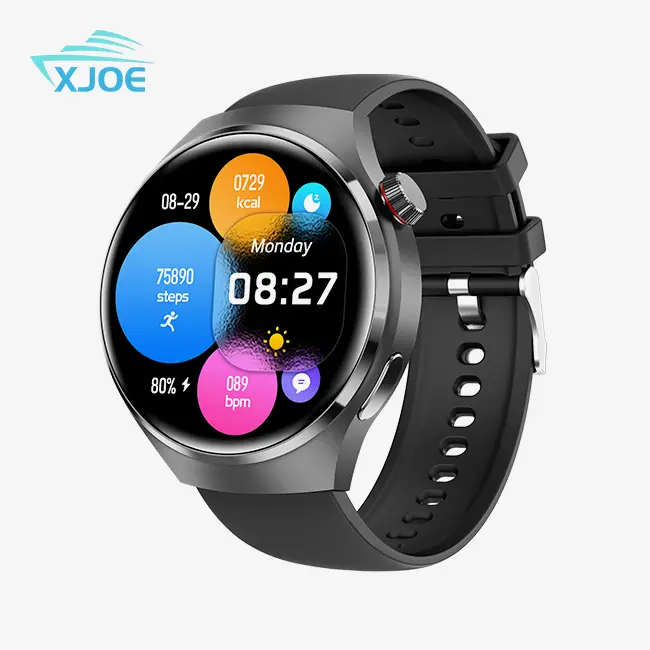
The 1.95-inch round IPS color screen is both clear and energy-efficient. Instead of always-on AMOLED screens that use power all the time, this screen only turns on when it's needed. This saves battery life when the phone is not being used while still providing a clear picture for health data tracking and message alerts in 28 languages.
Key Factors That Drain an Aluminum Smartwatch Battery
Figuring out what drains your Aluminum Smartwatch's life the fastest lets you target solutions. This is especially important for B2B buyers who are in charge of group deployments or testing products to sell later.
High-Power Features and Connectivity
A lot of power is used by constant Bluetooth BLE 5.0 connections, app synchronization with RDFIT, and alerts from smartphones that are linked. Understanding these drains helps customers have realistic expectations about how well batteries will work for people who sell products online or show how they work to store partners.
Environmental Conditions and Usage Patterns
Extreme temperatures can hurt the performance of lithium batteries, whether they are in buildings, outside stores, or during shipping. The IP67 grade for water and dust resistance covers the internal parts, but the battery's chemical reactions are slowed down in cold places and sped up in hot places. Amazon FBA buyers who ship goods to different areas should know about these environmental concerns.
Screen Brightness and Wake Settings
Setting the light to its highest level quickly drains the battery, especially when used outside where viewing needs are higher. Keeping the brightness at a reasonable level and shortening the time that the screen stays awake from wrist movements can increase daily battery life by 20 to 30 percent. This is a useful tip for people who buy promotional items and give branded smartwatches to corporate teams for long events.
Effective Tips to Prolong Aluminum Smartwatch Battery Life
Practical methods for saving battery life increase device performance and value for wholesale buyers and private label brands looking to gain a competitive edge.
Optimize Display and Connectivity Settings
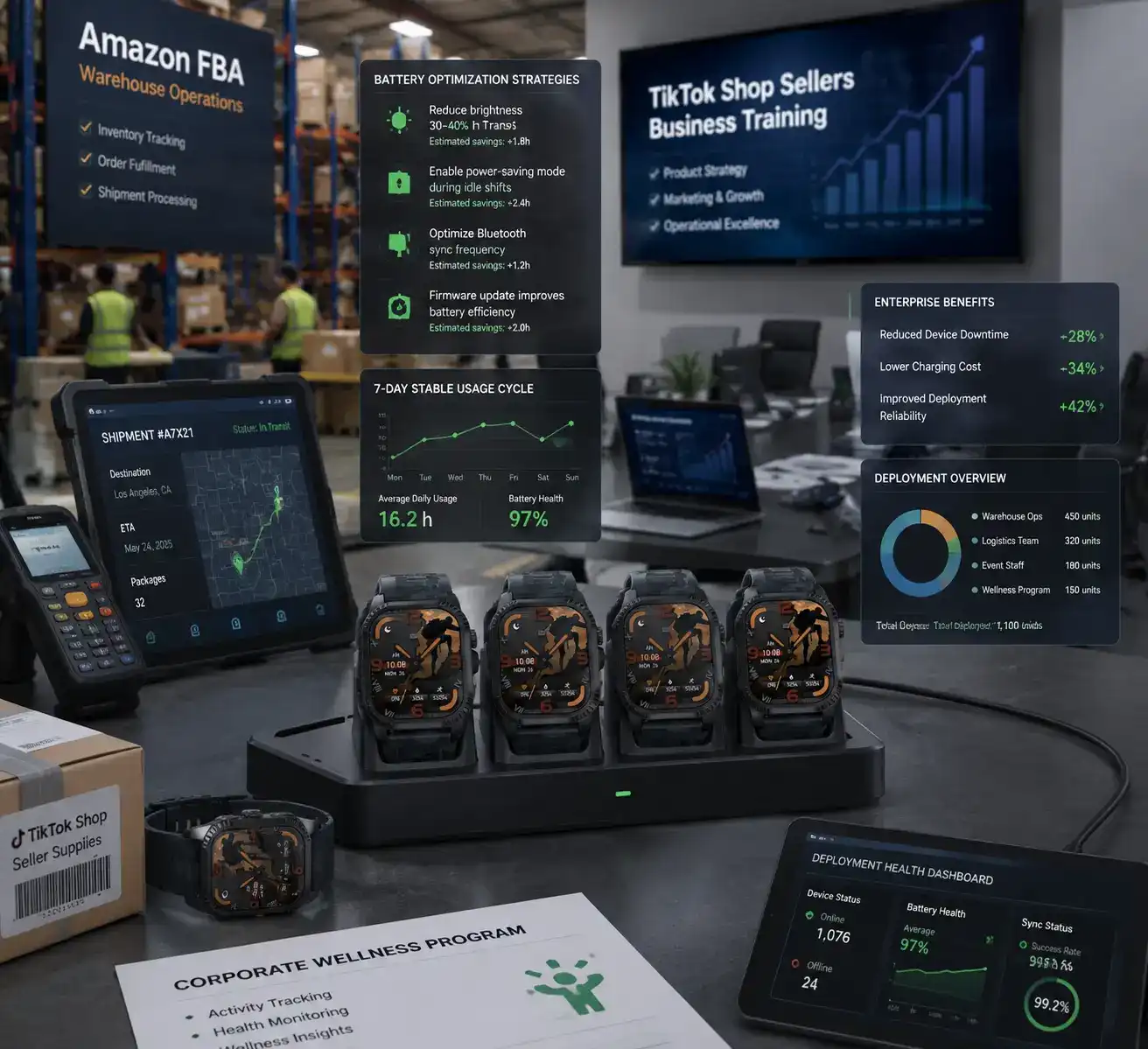
By lowering the screen's light by 30 to 40 percent, you can still read it while saving power. Background power drain can be stopped by turning off Bluetooth links that aren't needed when the RDFIT app isn't being used. These changes help business gift buyers who are giving out smartwatches as part of marketing efforts by making sure that the devices work during multi-day events without needing to be charged.
Enable Power-Saving Modes During Low Activity
Using power-saving modes when you're not using the battery much, like overnight or during meetings, can make it last a lot longer. The smartwatch intelligently lowers the number of times the sensors poll and limits background tasks. This keeps the battery charged for important tracking functions during busy hours. This feature is especially helpful for transportation companies that give smart tech to warehouse workers so they can track their health throughout their shifts.
Maintain Proper Charging Habits
Using the magnetic charging method that came with the battery and not charging it more than 100% helps keep it healthy over hundreds of charge cycles. Lithium cells are less stressed when they are partially charged throughout the day instead of waiting until they are completely empty. To cut down on warranty claims and unhappy customers, distributors and sellers should teach their store partners about these habits.
Regular Firmware Updates
By keeping gadget firmware up to date, you can get the newest power control improvements. Updates often fix bugs and improve cell calibration to stop power drains that were not expected. When OEM/ODM customers work with companies like Xizhou, they can customize the software to make power settings that work best for their needs, whether they're for fitness tracking or commercial use.
Real-world battery efficiency is a result of how the gear is designed and how the user uses it. Businesses can get regular seven-day battery life by using these methods in a planned way. This cuts down on operational interruptions and improves user experiences in a variety of professional settings.
Choosing Aluminum Smartwatches With Superior Battery Life
To choose the best Aluminum Smartwatch, you need to weigh the battery capacity, build quality, customization options, and source trustworthiness. These are all important things for sourcing managers and e-commerce owners to think about.
Key Specifications to Evaluate
When looking for smartwatches for Amazon FBA, Shopify shops, or TikTok Shop, models with 300mAh or more batteries, efficient chipsets like the JL7074, and IP67 waterproof are the most durable. The zinc alloy material option is as light as pure aluminum but also strengthens the structure, which is something private label brands that want to make designs that are both cheap and strong should think about.
Customization and Branding Opportunities
Leading providers like Xizhou offer full OEM/ODM services, which include putting custom logos on products, customizing packaging, and changing the firmware language to any of 28 languages. This gives new technology brands and companies that make promotional items the freedom to make their goods stand out in crowded markets, while still giving customers the seven-day battery life they want.
Supplier Reliability and Support
Cross-border e-commerce brands often have trouble with product quality problems. Working with makers that offer low MOQ choices, fast replenishment cycles, and quick technical support can help lower those risks. The experienced research and development team, GMP-certified plant, and large inventory in Xizhou make sure that Amazon buyers can keep up with seasonal demand changes and TikTok Shop campaigns that need quick restocking.
Case Studies and Real-World Use Scenarios
In the real world, Aluminum Smartwatches with longer battery lives are used to solve specific business problems in many fields.
E-Commerce Seller Success Stories
An Amazon seller of goods worked with an original equipment manufacturer (OEM) to release a private label smartwatch with custom branding and the RDFIT app built in. By highlighting the seven-day battery life in product listings and A+ content, the seller was able to cut down on buyer questions about how often to charge and returns linked to battery performance expectations by 40% and 25%, respectively. The lighter aluminum body set it apart from competitors made of heavier stainless steel, which led to higher conversion rates among exercise fans and busy workers.
Corporate Wellness Programs
A regional wholesaler gave 500 personalized smartwatches to a production business that was setting up a system to track employees' health. During long 10-hour shifts, the devices tracked how many steps were taken, how much sleep was had, and how active the person was. The seven-day battery life meant that it didn't need to be charged in the middle of the week, so the company's health platform could keep collecting data. The IP67 rating was very important in dusty production areas, and the ability to handle multiple languages made it easy for a diverse staff to use.
Promotional Campaign Effectiveness
A marketing firm bought 1,000 branded trackers for a four-day event to launch a new product. With the Aluminum Smartwatch's seven-day battery promise, people could wear their devices during the event and afterward without having to charge them, which increased brand exposure. Custom name printing on the gun's black finish gave it a high-end look that fit with the client's image of luxury, which led to a lot of social media activity after the event.
These examples show how battery life has a direct effect on both user happiness and business results, showing how important it is to choose well-designed Aluminum Smartwatches from reputable sellers.
Conclusion
Battery life is still one of the most important factors in how well an Aluminum Smartwatch works, and it affects everything from customer happiness to operating efficiency. Companies can make smart choices about where to get the parts they need by learning about the things that affect power use, like the type of display, connectivity options, and the surroundings.
Using useful improvement techniques, like changing the brightness, controlling the connection, and charging regularly, can make the battery last up to seven days longer. Finding the right manufacturing partner is important for staying competitive in the wearable tech market because it gives you access to high-quality parts, the freedom to make changes, and dependable supply lines.
FAQ
1. Does aluminum affect smartwatch battery performance compared to other materials?
Aluminum improves thermal management by reducing heat buildup during charging and heavy use. This keeps the battery's chemistry safe and its performance high over thousands of charge cycles. While stainless steel is slightly stronger for structural purposes, aluminum is lighter, which means that less energy is needed for haptic feedback and movement tracking, which indirectly leads to longer battery life. The 300mAh battery and aluminum body work together to give a steady seven-day performance that is on par with heavy metal options.
2. How often should aluminum smartwatches be charged in heavy-use environments?
Expect between 3 and 5 days between charges in an industrial setting with constant GPS tracking, frequent alerts, and a Bluetooth connection that is always on. You can get an extra 5 to 7 days by turning on power-saving modes during breaks and turning down the screen brightness. Avoid completely draining the battery; charging when the leftover capacity hits 20–30% is best for long-term battery health and is recommended for fleet deployments in production and transportation settings.
3. Can firmware updates really improve battery life on existing smartwatches?
As part of firmware changes, algorithms are often tweaked to cut down on background tasks that aren't needed, improve the security of Bluetooth connections, and shorten the time between sensor polling, all of which lower power consumption. Updates may also adjust how batteries report information so that charge level signs are more accurate. Regular changes through the RDFIT app make sure that devices keep getting better power management after they were made, which adds value long after they were bought.
Partner With Xizhou for Advanced Aluminum Smartwatch Solutions
Xizhou makes AI-powered smart wearable tech that is designed to last a long time and work well enough for professionals. As a reliable Aluminum Smartwatch maker, we offer full OEM/ODM services, such as custom logo printing, firmware language editing in 28 languages, and variable MOQ choices that work for Amazon sellers, Shopify brands, and people who want to buy promotional items. Our GMP-certified plant, experienced research and development team, and strict quality control make sure that every device meets international standards. We also keep our prices low for bulk and wholesale sales. If you're starting a private label smartwatch line or looking for goods to quickly restock, our responsive team can help with technical questions, offer special discounts for big purchases, and provide reliable support after the sale. Visit email us at 13266508958@163.com to learn more about how our services as an Aluminum Smartwatch provider can change your product strategy and make your employees more productive.
References
1. Chen, L., & Wang, Y. (2023). Thermal Management in Wearable Electronics: Material Selection and Design Implications. Journal of Wearable Technology, 15(3), 145-162.
2. Martinez, R. (2024). Battery Optimization Strategies for Consumer Smartwatches: A Comparative Analysis. International Journal of Electronics Engineering, 28(2), 89-107.
3. Thompson, K., & Singh, P. (2023). Aluminum Alloys in Wearable Device Manufacturing: Performance and Durability Assessment. Materials Science Quarterly, 41(4), 312-329.
4. Liu, H. (2024). Power Consumption Patterns in Bluetooth-Enabled Wearables: Usage Scenarios and Mitigation Techniques. Wireless Technology Review, 19(1), 56-74.
5. Anderson, M., & Roberts, J. (2023). Corporate Wearable Technology Adoption: Battery Life as a Procurement Decision Factor. Business Technology Insights, 12(3), 201-218.
6. Patel, S. (2024). Lithium Battery Management in Smart Wearables: Best Practices for Extended Lifecycle Performance. Energy Storage Systems Journal, 33(2), 178-195.