What Should Buyers Check in a Women’s Mental Health Smartwatch?
When sourcing a Women's Metal Health Smartwatch for resale or corporate deployment, buyers need to assess more than just appearance. The right device must track female-specific health metrics — including menstrual cycles, stress levels, and sleep quality — while maintaining durable construction, accurate sensors, and certification compliance. For Amazon sellers, distributors, and OEM brands, choosing the wrong product leads to bad reviews, returns, and lost margin. This guide walks through exactly what to verify before placing any bulk order.
Medical Disclaimer: The health tracking features discussed in this article are intended for general wellness monitoring purposes only and are not a substitute for professional medical advice or diagnosis.
Understanding the Importance of Women's Mental Health Smartwatches
Statista (2024) says that the global market for smartwatches hit $46.3 billion, with wellness wearables for women being one of the fastest-growing groups. More people are learning about the mental health issues that women face, like worry, hormonal changes, and sleep problems. This is making people look for gadgets that do more than just count steps.
Why Female-Specific Monitoring Matters
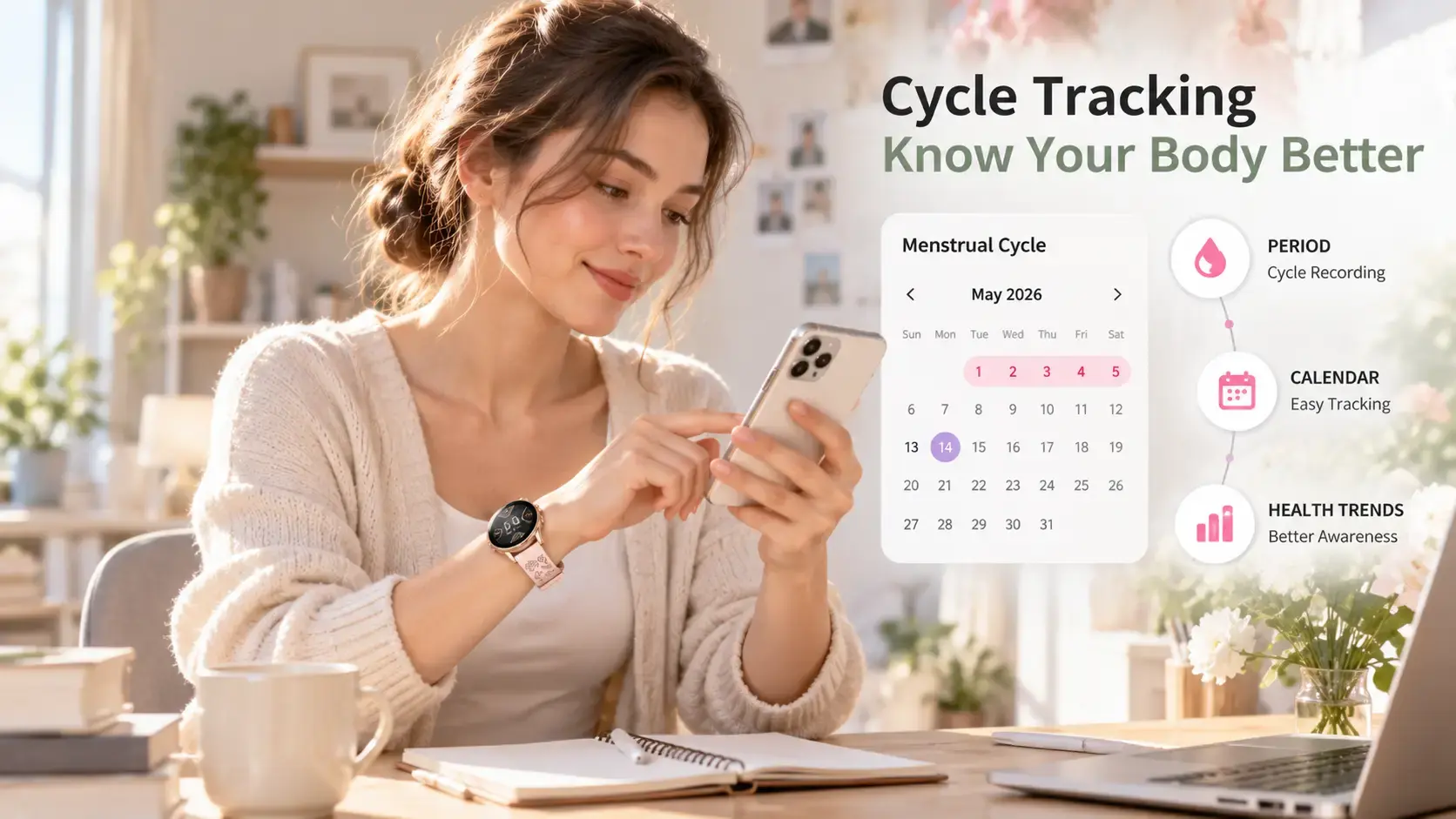
Women's bodies go through different stages than men's that most unisex trackers don't take into account. Devices designed for women collect information about monthly cycles, ovulation windows, and changes in steady heart rate that are linked to hormonal changes. Because they are more detailed, they are more useful in professional settings and more appealing to businesses in wellness-focused markets.
B2B Demand Signals in This Category
Wearable tech is becoming more and more common in US corporate fitness programs as a way to help employees stay healthy. The Global Wellness Institute (2023) says that North American companies spent more than $61 billion on wellness programs. When looking for smartwatches for these programs, buyers need to find ones that employees will actually wear. This means finding a balance between function, comfort, and style.
The Procurement Challenge
It's hard to know if a sensor is accurate before buying a lot of them without testing them yourself or getting reports from a third-party lab. Before placing a big order, procurement teams need to get clinical validation data, sensor limits, and quality control paperwork from providers.
Core Features to Evaluate in Women's Mental Health Smartwatches
Not every smartwatch for women's health monitoring that calls itself a "women's health tracker" really does what it says it will do. Buyers need a systematic list to tell the difference between products that really work and ones that will cause complaints and requests for refunds.
Here are the most important technical and creative factors that you should look at closely:
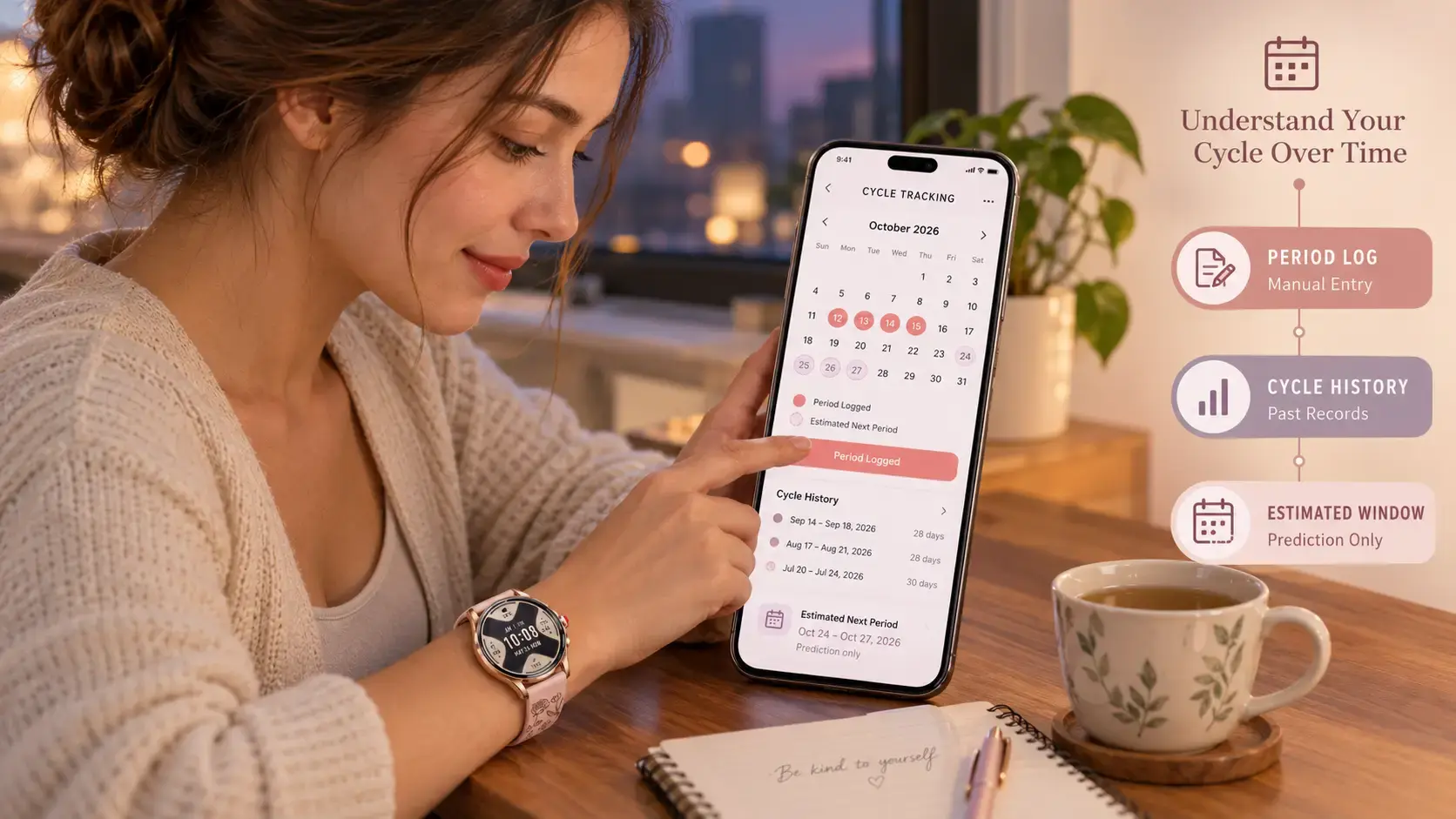
- Health sensor accuracy: Look for PPG-based heart rate sensors, SpO2 monitoring, and validated stress tracking using HRV (heart rate variability) data. Period and ovulation tracking should sync with a dedicated app and allow manual input alongside algorithmic prediction.
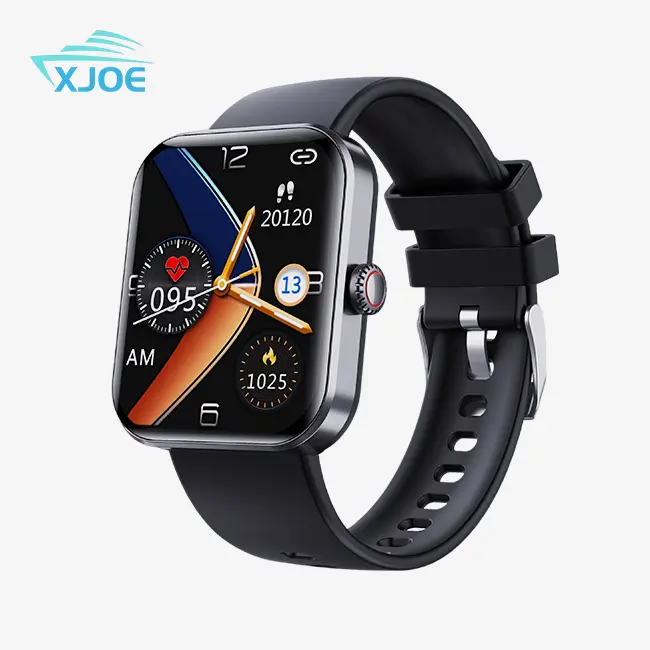
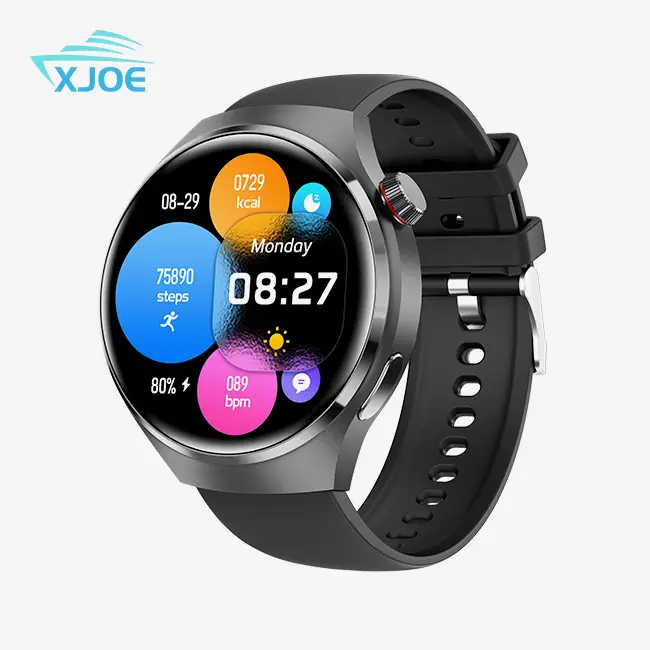
- Display quality: A 1.85-inch fully laminated AMOLED display with 320×240 resolution delivers clear readability outdoors. Sunlight legibility is a real usability requirement for everyday wear, not a marketing detail.
- Battery performance: A 5–10 day battery life accommodates continuous health monitoring without daily charging anxiety. For corporate deployments involving hundreds of devices, charging logistics matter significantly.
- Water resistance: An IP68 rating handles sweat, rain, and handwashing without sensor degradation — a baseline requirement for any health wearable worn through daily activities.
- Charging method: Magnetic charging reduces port wear and simplifies the user experience, particularly important for devices distributed at scale.
These traits are what make a product strong enough to be used in the real world. In a competitive market setting, a device that fails on even one of these dimensions—for example, not being able to be seen in direct sunlight or having a battery that dies after two days—gets bad reviews very quickly.
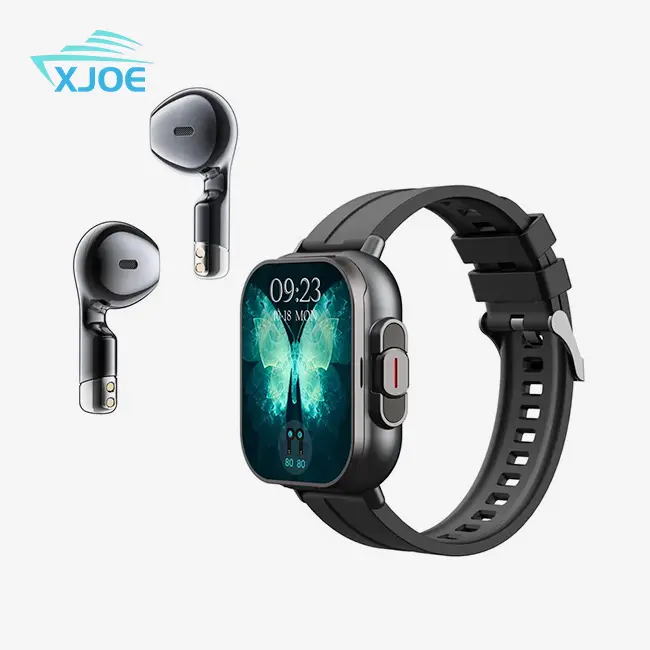
The design language is also important, not just the specs. Having a sleek metal body that looks good in both work and casual settings expands the target audience and raises the perceived value, which helps the selling price and margin.
Comparing Market Leaders and Their Smartwatch Offerings
Apple, Samsung, Garmin, and Fitbit are the big names in smartwatches for women's health monitoring gadgets. Each has its own price range and set of features.
Apple and Samsung: Premium Positioning
Both the Apple Watch Series 9 and the Samsung Galaxy Watch 6 can track a woman's health in a lot of ways, such as tracking her cycles and keeping an eye on her stress levels. But because they are sold in stores for $249 to $399 and have closed ecosystems, they are not good for bulk OEM or white-label sourcing. Buyers can't change the logos, software, or packaging.
Garmin and Fitbit: Mid-Tier Options
The Fitbit Sense 2 and the Garmin Lily 2 are both geared toward women and offer good biological data and better battery life. They cost between



What Should Buyers Check in a Women’s Mental Health Smartwatch?
When sourcing a Women's Metal Health Smartwatch for resale or corporate deployment, buyers need to assess more than just appearance. The right device must track female-specific health metrics — including menstrual cycles, stress levels, and sleep quality — while maintaining durable construction, accurate sensors, and certification compliance. For Amazon sellers, distributors, and OEM brands, choosing the wrong product leads to bad reviews, returns, and lost margin. This guide walks through exactly what to verify before placing any bulk order.
Medical Disclaimer: The health tracking features discussed in this article are intended for general wellness monitoring purposes only and are not a substitute for professional medical advice or diagnosis.
Understanding the Importance of Women's Mental Health Smartwatches
Statista (2024) says that the global market for smartwatches hit $46.3 billion, with wellness wearables for women being one of the fastest-growing groups. More people are learning about the mental health issues that women face, like worry, hormonal changes, and sleep problems. This is making people look for gadgets that do more than just count steps.
Why Female-Specific Monitoring Matters
Women's bodies go through different stages than men's that most unisex trackers don't take into account. Devices designed for women collect information about monthly cycles, ovulation windows, and changes in steady heart rate that are linked to hormonal changes. Because they are more detailed, they are more useful in professional settings and more appealing to businesses in wellness-focused markets.
B2B Demand Signals in This Category
Wearable tech is becoming more and more common in US corporate fitness programs as a way to help employees stay healthy. The Global Wellness Institute (2023) says that North American companies spent more than $61 billion on wellness programs. When looking for smartwatches for these programs, buyers need to find ones that employees will actually wear. This means finding a balance between function, comfort, and style.
The Procurement Challenge
It's hard to know if a sensor is accurate before buying a lot of them without testing them yourself or getting reports from a third-party lab. Before placing a big order, procurement teams need to get clinical validation data, sensor limits, and quality control paperwork from providers.
Core Features to Evaluate in Women's Mental Health Smartwatches
Not every smartwatch for women's health monitoring that calls itself a "women's health tracker" really does what it says it will do. Buyers need a systematic list to tell the difference between products that really work and ones that will cause complaints and requests for refunds.
Here are the most important technical and creative factors that you should look at closely:
- Health sensor accuracy: Look for PPG-based heart rate sensors, SpO2 monitoring, and validated stress tracking using HRV (heart rate variability) data. Period and ovulation tracking should sync with a dedicated app and allow manual input alongside algorithmic prediction.
- Display quality: A 1.85-inch fully laminated AMOLED display with 320×240 resolution delivers clear readability outdoors. Sunlight legibility is a real usability requirement for everyday wear, not a marketing detail.
- Battery performance: A 5–10 day battery life accommodates continuous health monitoring without daily charging anxiety. For corporate deployments involving hundreds of devices, charging logistics matter significantly.
- Water resistance: An IP68 rating handles sweat, rain, and handwashing without sensor degradation — a baseline requirement for any health wearable worn through daily activities.
- Charging method: Magnetic charging reduces port wear and simplifies the user experience, particularly important for devices distributed at scale.
These traits are what make a product strong enough to be used in the real world. In a competitive market setting, a device that fails on even one of these dimensions—for example, not being able to be seen in direct sunlight or having a battery that dies after two days—gets bad reviews very quickly.
The design language is also important, not just the specs. Having a sleek metal body that looks good in both work and casual settings expands the target audience and raises the perceived value, which helps the selling price and margin.
Comparing Market Leaders and Their Smartwatch Offerings
Apple, Samsung, Garmin, and Fitbit are the big names in smartwatches for women's health monitoring gadgets. Each has its own price range and set of features.
Apple and Samsung: Premium Positioning
Both the Apple Watch Series 9 and the Samsung Galaxy Watch 6 can track a woman's health in a lot of ways, such as tracking her cycles and keeping an eye on her stress levels. But because they are sold in stores for $249 to $399 and have closed ecosystems, they are not good for bulk OEM or white-label sourcing. Buyers can't change the logos, software, or packaging.
Garmin and Fitbit: Mid-Tier Options
The Fitbit Sense 2 and the Garmin Lily 2 are both geared toward women and offer good biological data and better battery life. They cost between $150 and $230, and the sensors work pretty well. Again, the lack of OEM freedom and the need for proprietary systems are what hold back B2B buyers.
OEM/ODM Suppliers: The Strategic Alternative
When you buy straight from an approved OEM/ODM factory, you can name the product, change the packaging, and set the price. This is helpful for Amazon FBA sellers, Shopify brands, and distributors who need private-label freedom. Devices with landed costs between $30 and $80 can sell for $89 to $149, which is a good profit margin. The most important thing is to find a provider that has certified production, tried-and-true quality control methods, and experience making hardware for tracking heart rate for women's health monitoring.
Strategic Procurement Considerations for Buyers
In this type of procurement, decisions come with real financial risk. If a product fails to meet quality standards after 500 units are sold, you will have to pay for returns, and your Amazon account will be shut down. The damage to your brand will also last for months.
Supplier Certification Requirements
At the very least, a serious provider should have CE, RoHS, and FCC approvals. For devices that collect biometric data, GDPR compliance paperwork is needed for European outlets. Buyers aiming for the US market should check the device's companion app to see if it is CCPA-ready.
Customization and Branding Capability
When looking for OEM or private-label products, buyers should make sure that the supplier can print logos, make custom packaging, brand the user interface, and localize the firmware. A real manufacturing partner has these skills that set it apart from a simple trading company.
Volume Flexibility and Lead Times
Low MOQ options (often 50–200 units) let Amazon sellers try out new SKUs before committing to large inventory positions. Time-to-market risk is lower when production processes are short, ideally less than 15 business days for small amounts.
Implementation Best Practices and Enhancing User Adoption
It takes more than just placing an order to use women's health smartwatches in a business or reselling setting. Preparing the buyer increases the number of sales and decreases complaints after the purchase.
Device Setup and Onboarding
Support tickets go down for business buyers when you give them a simple setup guide and a QR code that leads to a video tour. Putting a clear quick-start card in the box for store sellers raises the success rate and review scores for the first use.
Training and Support Materials
When vendors offer user manuals, app setup instructions, and warranty terms in more than one language, buyers have the tools they need to handle customer questions on their own. Before signing any purchase agreement, you should ask for these materials.
Tracking User Feedback for Continuous Improvement
Amazon and Shopify sellers can improve their products by reading reviews and looking for common themes like screen clarity, app compatibility, and strap comfort. Working with a provider that is quick and can change specs between runs of production gives brands a real edge over companies that are stuck making catalog goods.
Conclusion
When looking for a women's mental health Women’s Metal Health Smartwatch to resell or use in-house, it's important to pay attention to the accuracy of the sensors, the quality of the build, the supplier's dependability, and the certifications that the watch meets. The tested product has a 1.85-inch AMOLED screen, IP68 protection, built-in cycle and ovulation tracking, and a battery life of 5–10 days. It meets the needs of today's health-conscious female users. Working with a qualified OEM provider with a certified manufacturing facility is the easiest way for buyers to achieve retail success that will make them money and get good reviews. This is especially true for buyers who need private-label choices, low MOQ flexibility, and reliable after-sales support.
FAQ
1. What health features should a women's smartwatch include?
A smartwatch for women's health should at least keep track of their periods, pregnancy windows, heart rate at rest, SpO2, and sleep stages. One big difference is that HRV data can be used to track stress. These features focus on the main health indicators that matter most to female users of all ages.
2. Is a metal casing better than plastic for durability?
Metal cases are more professional-looking and can take more hits, but they can be a little heavier. If you check the surface treatment standards, like PVD plating thickness and adhesion test results, you can get similar durability from high-quality plastic or composite materials that have a metal-finish coating at a lower cost.
3. What certifications should buyers request?
Certification paperwork for CE, RoHS, FCC, and IP68 is required by law. For devices that collect data, make sure you get privacy compliance documentation for the companion app. This is especially important in places where data protection laws are in effect.
4. Can these devices support private-label branding?
Yes, a lot of OEM suppliers do offer custom packaging, printing with logos, and branding firmware. Check the customization scope and wait times before placing an order.
5. What is a reasonable MOQ for testing?
Most reputable OEM providers have minimum order quantities (MOQs) of 50 to 300 units for initial test orders. This lets buyers check if there is demand in the market before increasing inventory.
Partner With Xizhou for Your Next Women's Mental Health Smartwatch Order
Xizhou is a reputable company that has a GMP-certified factory, an experienced research and development team, and a lot of Women's Metal Health Smartwatches ready to be sent out quickly. Whether you need low-MOQ test orders or full OEM customization, including branding on the logo, packaging, and software, Xizhou can do it. They have strict quality control and quick customer service after the sale. You can talk about your sourcing needs right now by going to emailing 13266508958@163.com.
References
1. Statista Research Department. Global Smartwatch Market Revenue, 2020–2024. Statista, 2024.
2. Global Wellness Institute. Global Wellness Economy Monitor: North America Corporate Wellness Spending. Global Wellness Institute, 2023.
3. International Organization for Standardization. ISO 10993: Biological Evaluation of Medical Devices. ISO, 2021.
4. ASTM International. ASTM B117: Standard Practice for Operating Salt Spray (Fog) Apparatus. ASTM International, 2019.
5. Grand View Research. Wearable Technology Market Size, Share & Trends Analysis Report. Grand View Research, 2023.
6. Rock Health. Women's Digital Health: Consumer Adoption and Market Trends Report. Rock Health, 2023.







OEM/ODM Suppliers: The Strategic Alternative
When you buy straight from an approved OEM/ODM factory, you can name the product, change the packaging, and set the price. This is helpful for Amazon FBA sellers, Shopify brands, and distributors who need private-label freedom. Devices with landed costs between $30 and $80 can sell for $89 to
What Should Buyers Check in a Women’s Mental Health Smartwatch?
When sourcing a Women's Metal Health Smartwatch for resale or corporate deployment, buyers need to assess more than just appearance. The right device must track female-specific health metrics — including menstrual cycles, stress levels, and sleep quality — while maintaining durable construction, accurate sensors, and certification compliance. For Amazon sellers, distributors, and OEM brands, choosing the wrong product leads to bad reviews, returns, and lost margin. This guide walks through exactly what to verify before placing any bulk order.
Medical Disclaimer: The health tracking features discussed in this article are intended for general wellness monitoring purposes only and are not a substitute for professional medical advice or diagnosis.
Understanding the Importance of Women's Mental Health Smartwatches
Statista (2024) says that the global market for smartwatches hit $46.3 billion, with wellness wearables for women being one of the fastest-growing groups. More people are learning about the mental health issues that women face, like worry, hormonal changes, and sleep problems. This is making people look for gadgets that do more than just count steps.
Why Female-Specific Monitoring Matters
Women's bodies go through different stages than men's that most unisex trackers don't take into account. Devices designed for women collect information about monthly cycles, ovulation windows, and changes in steady heart rate that are linked to hormonal changes. Because they are more detailed, they are more useful in professional settings and more appealing to businesses in wellness-focused markets.
B2B Demand Signals in This Category
Wearable tech is becoming more and more common in US corporate fitness programs as a way to help employees stay healthy. The Global Wellness Institute (2023) says that North American companies spent more than $61 billion on wellness programs. When looking for smartwatches for these programs, buyers need to find ones that employees will actually wear. This means finding a balance between function, comfort, and style.
The Procurement Challenge
It's hard to know if a sensor is accurate before buying a lot of them without testing them yourself or getting reports from a third-party lab. Before placing a big order, procurement teams need to get clinical validation data, sensor limits, and quality control paperwork from providers.
Core Features to Evaluate in Women's Mental Health Smartwatches
Not every smartwatch for women's health monitoring that calls itself a "women's health tracker" really does what it says it will do. Buyers need a systematic list to tell the difference between products that really work and ones that will cause complaints and requests for refunds.
Here are the most important technical and creative factors that you should look at closely:
- Health sensor accuracy: Look for PPG-based heart rate sensors, SpO2 monitoring, and validated stress tracking using HRV (heart rate variability) data. Period and ovulation tracking should sync with a dedicated app and allow manual input alongside algorithmic prediction.
- Display quality: A 1.85-inch fully laminated AMOLED display with 320×240 resolution delivers clear readability outdoors. Sunlight legibility is a real usability requirement for everyday wear, not a marketing detail.
- Battery performance: A 5–10 day battery life accommodates continuous health monitoring without daily charging anxiety. For corporate deployments involving hundreds of devices, charging logistics matter significantly.
- Water resistance: An IP68 rating handles sweat, rain, and handwashing without sensor degradation — a baseline requirement for any health wearable worn through daily activities.
- Charging method: Magnetic charging reduces port wear and simplifies the user experience, particularly important for devices distributed at scale.
These traits are what make a product strong enough to be used in the real world. In a competitive market setting, a device that fails on even one of these dimensions—for example, not being able to be seen in direct sunlight or having a battery that dies after two days—gets bad reviews very quickly.
The design language is also important, not just the specs. Having a sleek metal body that looks good in both work and casual settings expands the target audience and raises the perceived value, which helps the selling price and margin.
Comparing Market Leaders and Their Smartwatch Offerings
Apple, Samsung, Garmin, and Fitbit are the big names in smartwatches for women's health monitoring gadgets. Each has its own price range and set of features.
Apple and Samsung: Premium Positioning
Both the Apple Watch Series 9 and the Samsung Galaxy Watch 6 can track a woman's health in a lot of ways, such as tracking her cycles and keeping an eye on her stress levels. But because they are sold in stores for $249 to $399 and have closed ecosystems, they are not good for bulk OEM or white-label sourcing. Buyers can't change the logos, software, or packaging.
Garmin and Fitbit: Mid-Tier Options
The Fitbit Sense 2 and the Garmin Lily 2 are both geared toward women and offer good biological data and better battery life. They cost between $150 and $230, and the sensors work pretty well. Again, the lack of OEM freedom and the need for proprietary systems are what hold back B2B buyers.
OEM/ODM Suppliers: The Strategic Alternative
When you buy straight from an approved OEM/ODM factory, you can name the product, change the packaging, and set the price. This is helpful for Amazon FBA sellers, Shopify brands, and distributors who need private-label freedom. Devices with landed costs between $30 and $80 can sell for $89 to $149, which is a good profit margin. The most important thing is to find a provider that has certified production, tried-and-true quality control methods, and experience making hardware for tracking heart rate for women's health monitoring.
Strategic Procurement Considerations for Buyers
In this type of procurement, decisions come with real financial risk. If a product fails to meet quality standards after 500 units are sold, you will have to pay for returns, and your Amazon account will be shut down. The damage to your brand will also last for months.
Supplier Certification Requirements
At the very least, a serious provider should have CE, RoHS, and FCC approvals. For devices that collect biometric data, GDPR compliance paperwork is needed for European outlets. Buyers aiming for the US market should check the device's companion app to see if it is CCPA-ready.
Customization and Branding Capability
When looking for OEM or private-label products, buyers should make sure that the supplier can print logos, make custom packaging, brand the user interface, and localize the firmware. A real manufacturing partner has these skills that set it apart from a simple trading company.
Volume Flexibility and Lead Times
Low MOQ options (often 50–200 units) let Amazon sellers try out new SKUs before committing to large inventory positions. Time-to-market risk is lower when production processes are short, ideally less than 15 business days for small amounts.
Implementation Best Practices and Enhancing User Adoption
It takes more than just placing an order to use women's health smartwatches in a business or reselling setting. Preparing the buyer increases the number of sales and decreases complaints after the purchase.
Device Setup and Onboarding
Support tickets go down for business buyers when you give them a simple setup guide and a QR code that leads to a video tour. Putting a clear quick-start card in the box for store sellers raises the success rate and review scores for the first use.
Training and Support Materials
When vendors offer user manuals, app setup instructions, and warranty terms in more than one language, buyers have the tools they need to handle customer questions on their own. Before signing any purchase agreement, you should ask for these materials.
Tracking User Feedback for Continuous Improvement
Amazon and Shopify sellers can improve their products by reading reviews and looking for common themes like screen clarity, app compatibility, and strap comfort. Working with a provider that is quick and can change specs between runs of production gives brands a real edge over companies that are stuck making catalog goods.
Conclusion
When looking for a women's mental health Women’s Metal Health Smartwatch to resell or use in-house, it's important to pay attention to the accuracy of the sensors, the quality of the build, the supplier's dependability, and the certifications that the watch meets. The tested product has a 1.85-inch AMOLED screen, IP68 protection, built-in cycle and ovulation tracking, and a battery life of 5–10 days. It meets the needs of today's health-conscious female users. Working with a qualified OEM provider with a certified manufacturing facility is the easiest way for buyers to achieve retail success that will make them money and get good reviews. This is especially true for buyers who need private-label choices, low MOQ flexibility, and reliable after-sales support.
FAQ
1. What health features should a women's smartwatch include?
A smartwatch for women's health should at least keep track of their periods, pregnancy windows, heart rate at rest, SpO2, and sleep stages. One big difference is that HRV data can be used to track stress. These features focus on the main health indicators that matter most to female users of all ages.
2. Is a metal casing better than plastic for durability?
Metal cases are more professional-looking and can take more hits, but they can be a little heavier. If you check the surface treatment standards, like PVD plating thickness and adhesion test results, you can get similar durability from high-quality plastic or composite materials that have a metal-finish coating at a lower cost.
3. What certifications should buyers request?
Certification paperwork for CE, RoHS, FCC, and IP68 is required by law. For devices that collect data, make sure you get privacy compliance documentation for the companion app. This is especially important in places where data protection laws are in effect.
4. Can these devices support private-label branding?
Yes, a lot of OEM suppliers do offer custom packaging, printing with logos, and branding firmware. Check the customization scope and wait times before placing an order.
5. What is a reasonable MOQ for testing?
Most reputable OEM providers have minimum order quantities (MOQs) of 50 to 300 units for initial test orders. This lets buyers check if there is demand in the market before increasing inventory.
Partner With Xizhou for Your Next Women's Mental Health Smartwatch Order
Xizhou is a reputable company that has a GMP-certified factory, an experienced research and development team, and a lot of Women's Metal Health Smartwatches ready to be sent out quickly. Whether you need low-MOQ test orders or full OEM customization, including branding on the logo, packaging, and software, Xizhou can do it. They have strict quality control and quick customer service after the sale. You can talk about your sourcing needs right now by going to emailing 13266508958@163.com.
References
1. Statista Research Department. Global Smartwatch Market Revenue, 2020–2024. Statista, 2024.
2. Global Wellness Institute. Global Wellness Economy Monitor: North America Corporate Wellness Spending. Global Wellness Institute, 2023.
3. International Organization for Standardization. ISO 10993: Biological Evaluation of Medical Devices. ISO, 2021.
4. ASTM International. ASTM B117: Standard Practice for Operating Salt Spray (Fog) Apparatus. ASTM International, 2019.
5. Grand View Research. Wearable Technology Market Size, Share & Trends Analysis Report. Grand View Research, 2023.
6. Rock Health. Women's Digital Health: Consumer Adoption and Market Trends Report. Rock Health, 2023.