

How to Choose an ECG SpO2 Smartwatch for Health Brands
Looking for a dependable partner that satisfies your customers' health monitoring demands and supports your business goals when choosing an ECG SpO2 smartwatch for your health brand isn't just about buying a gadget with the latest sensors. When assessing wearable technology, specifically an Endurance Smartwatch for long-term usage, consider accuracy, battery life, durability, and supplier trustworthiness. Understanding what matters helps you avoid costly mistakes like erroneous readings and inventory hassles from uneven quality in a crowded market. This article covers the main factors for choosing a smartwatch with medical-grade monitoring, long battery life, and the flexibility your business needs to succeed in the competitive health tech market.

Understanding the Core Problem: Why Choosing the Right ECG SpO2 Smartwatch Matters
There is more and more pressure on health brands to make wearables that not only track exercise but also give truly useful health information. More and more, people expect their smartwatches to be able to measure blood oxygen levels and monitor heart rhythms with the same level of accuracy as medical devices. Still, the market is broken up, with different standards, claims from different suppliers that don't always match up, and a lack of clarity about how accurate sensors really are.
The Growing Demand for Health Monitoring Precision
The change from simple movement tracking to more advanced health monitoring shows that people are becoming more aware of their heart and lung health. The ECG feature can find irregular heart rhythms like atrial fibrillation, and the SpO2 sensors give important information about oxygen saturation, which is especially useful for people who are managing long-term conditions or doing endurance activities at high altitudes. It is no longer a choice for health brands and OEM clients to make sure that the features of their products meet these professional standards.
Key Procurement Challenges Health Brands Face
There are several things that need to be avoided in order to choose the right gadget. It's hard to be sure that sensor readings are correct because product claims aren't always backed up by a third party. There is a wide range of supplier trustworthiness, and brands risk getting low-quality goods that hurt customer trust if they don't do proper certification checks. When market trends change too quickly for you to restock or switch product lines, inventory pressure makes the problem worse.
Why Battery Life and Durability Define Success
An Endurance Smartwatch needs to be able to do both advanced health tracking and useful daily tasks. Users are annoyed and give bad reviews when a device needs to be charged every day. The watch's water resistance, shockproof materials, and scratch-resistant screens make it reliable for daily use, hard workouts, and activities outside. When brands ignore these basics, it's hard for them to keep customers coming back.
Key Features of ECG SpO2 Smartwatches Every Health Brand Should Know
By understanding the technical foundations of smartwatch features, you can make smart purchasing choices that meet the needs of your target market.
Medical-Grade ECG and SpO2 Sensor Technology
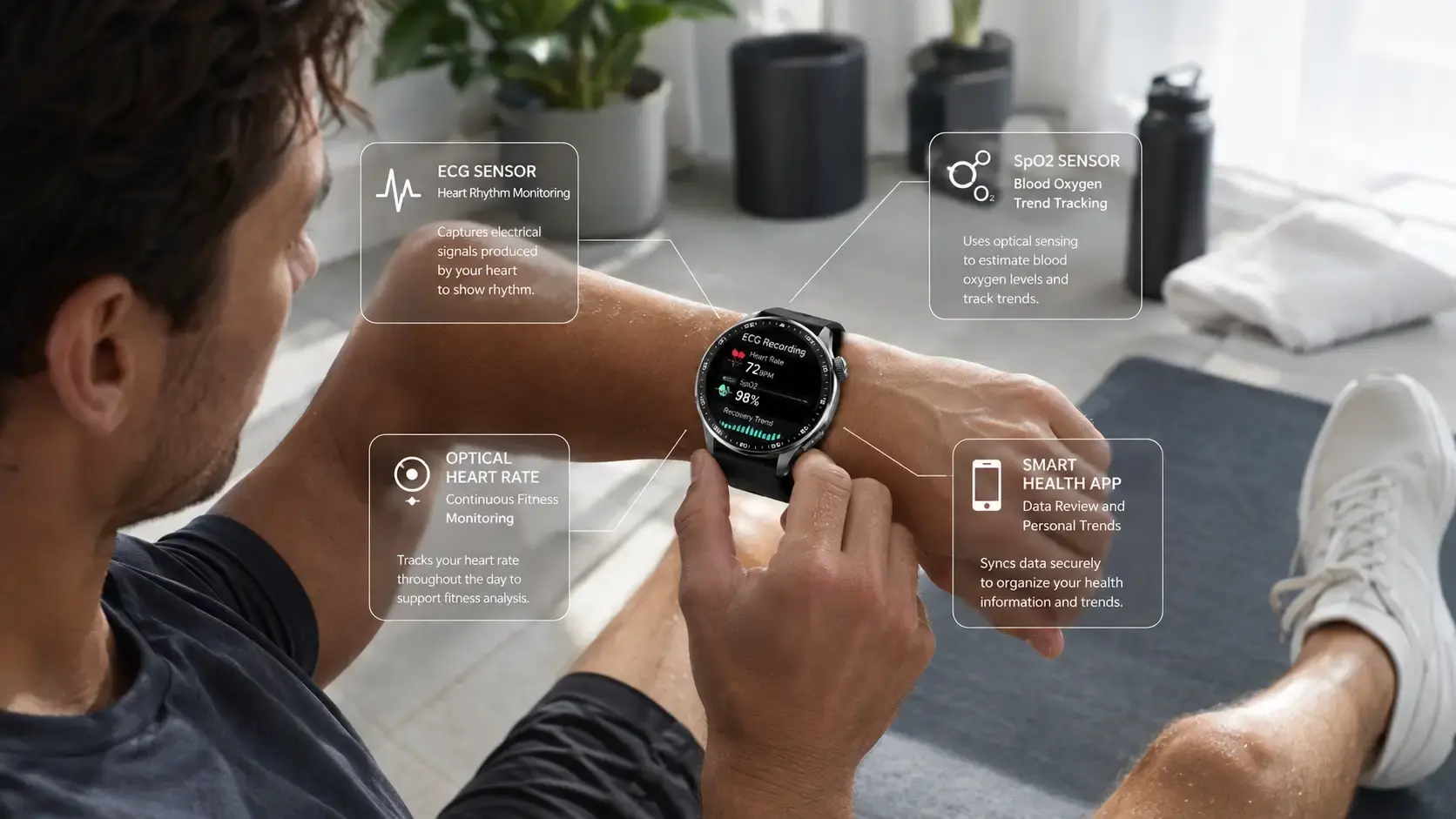
The sensors on a smartwatch that focuses on health are what make it work. ECG sensors pick up on electrical signs from the heart and look for changes that could mean something important is wrong. By looking at how much light is absorbed by the skin, SpO2 monitors can figure out how much oxygen is in the blood. These technologies are easy to find, but their accuracy varies a lot. Look for medical devices that have algorithms that have been tested in real-life situations and certifications like FDA clearance or CE marks that show they follow medical device standards. Customers will trust you more if the readings are correct, and you will be less likely to have liability issues.
Battery Longevity That Meets Real-World Demands
How well the battery functions affects consumer satisfaction. A long-lasting smartwatch doesn't need to be charged as often, which is excellent for folks who measure their heart rate and sleep constantly. The 300mAh Xizhou Endurance Smartwatch can run for 21 days in basic mode. Since the battery lasts longer, customers may follow their health data without charging. For folks who desire things to fit into their everyday life, wireless charging is more convenient.
Consider how new features affect power utilization while reviewing battery specifications. Permanent GPS tracking drains batteries quicker than passive step counts. In practice, gadgets that actively regulate power—by dimming displays or altering sensor polling intervals—perform better.
Ruggedness and Environmental Resistance
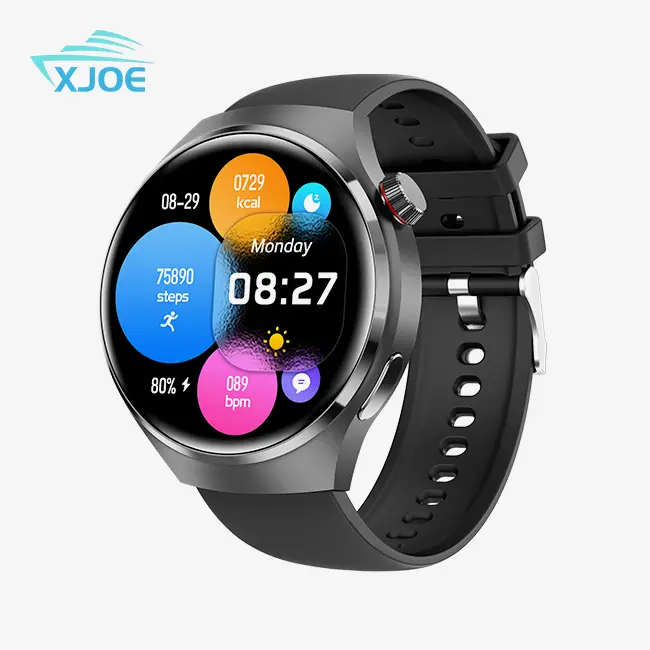
Users of wearable health gadgets typically face tough conditions. Sportspeople and outdoor smartwatch wearers will love the device's IP67 water and dust resistance, which can withstand perspiration, rain, and short submersion. The 1.53-inch circular IPS color screen with 360x360 resolution makes it simple to view in strong sunshine, and the zinc metal frame makes it sturdy without being heavy.
Shockproof pieces safeguard internal parts during heavy activities like trail running and cycling. Durable attributes are essential for businesses targeting endurance athletes, adventure travelers, and manufacturing workers.
Connectivity and Software Ecosystem Compatibility
To transmit data and provide alarms, new smartwatches need smooth communication. Smartphone pairing with Bluetooth 5.0 is reliable and energy-efficient, eliminating bothersome connection dropouts. Also crucial is app compatibility. The RDFIT software manages settings, customizes watch faces, and tracks health indicators in 28 languages with an easy-to-use interface.
The software environment may link to health platforms, telemedicine systems, and workplace fitness programs for business-to-business clients. Wearable data is increasingly used by community health centers, remote patient monitoring services, and fitness coaching platforms to customize interventions. Big purchasers will benefit more from a wristwatch with open APIs and cloud data access.
Comparison and Procurement Considerations: How to Evaluate and Select the Best Smartwatch?
Choosing a supplier depends on finding the right balance between performance, cost, and provider dependability. Making a clear review strategy stops mistakes that cost a lot of money.
Building a Balanced Evaluation Scorecard
First, when evaluating a long battery life smartwatch, make weighted factors that show what's most important to your brand. The accuracy of the health feature might make up 40% of your choice, the battery life and longevity 30%, the trustworthiness of the provider 20%, and the price 10%. This way of doing things keeps people from focusing too much on price alone, which often means sacrificing quality.
Check the accuracy of the sensors by using pilot tests or reports from a third-party lab. Claims about batteries should be checked in real-life situations, not just in the manufacturer's lab. Certifications for durability, such as IP grades and material standards, give us a way to measure things objectively.
Comparing Leading Models and Emerging Competitors
In the premium segment, Apple and Garmin dominate with advanced health tracking and large app ecosystems. Xizhou and other new carriers provide comparable features at affordable pricing. They appeal to companies targeting mid-market clients or testing new product lines with reduced MOQs.
The Xizhou Endurance Smartwatch is simple and reliable. A traditional round form and all the health tracking functions you need. It's cheaper for folks who value battery life and basic workout monitoring above continuous heart rate tracking because it doesn't feature a heart rate sensor. Brands targeting inexpensive customers or those who require gadgets for marketing campaigns and work health programs benefit from this trade-off.
Warranty Terms and After-Sales Support
Warranty policies reflect supplier confidence in product quality. Check for comprehensive coverage of material, work, and portion issues. Return policies should offer reasonable trial times so you can assess how well a product functions before placing significant orders.
Post-sale support, firmware updates, and good customer service all impact your brand. When vendors give OTA software updates, they ensure device safety and compatibility with new operating systems. Xizhou's fast after-sales support and professional customisation allow your business to rapidly address consumer problems and maintain confidence.
Procurement Channels: Navigating Authenticity and Cost
Approved merchants reduce the risk of fraudulent items and provide legal guarantees. Online platforms provide reasonable costs, but suppliers must be carefully selected. Verify company licenses, qualifications, and customer reviews. Working directly with OEM manufacturers like Xizhou enables you to make modifications, gain bulk discounts, and communicate better.
Practical Guide to Sourcing and Building Supplier Partnerships
Sustainable procurement plans are built on strong ties with suppliers. Here's how to set them up and keep them going well.
Identifying Authorized Brands and Verifying Certifications
Trustworthy suppliers will readily show their CE, RoHS, and FCC certificates. Selling medical equipment in the US requires FDA permission. Request sample units to assess construction quality, sensor accuracy, and user experience.
In Shenzhen, Xizhou maintains a GMP-certified factory with a strong R&D team and tight quality control. Procurement managers can research more easily since they pledge to obey the regulations and share certificates.
Negotiating Volume Discounts and Flexible Order Terms
Brands entering specialized markets or trying new items need low MOQs. Xizhou's flexible support for small and big purchases lets you assess market demand without inventory risk. Talk to vendors about tiered pricing that rewards big purchases while allowing flexibility as your firm expands.
Know lead times, shipping methods, and inbound operations personnel upfront. Fast restocking prevents shelves from running out amid heavy demand, especially for holiday sales or new goods.
Emphasizing Post-Purchase Support and Technical Assistance
Your consumers will be better served if your providers offer troubleshooting instructions, international customer care, and product training. Businesses using wearables, such as corporate wellness programs or healthcare monitoring systems, need technical assistance even more.
With their vast inventory and rapid shipment, Xizhou can swiftly satisfy client demands, and their OEM/ODM services let you brand, logo, and package items to match your brand.
Ensuring Regulatory Compliance and Quality Assurance
For your outdoor smartwatch, compliance is about safeguarding your brand. Health-claim devices must follow tight regulatory requirements. The CE mark indicates that the product satisfies European health, safety, and environmental regulations. US FDA clearance indicates the product has been properly tested and confirmed to function.
Medical Disclaimer: ECG and SpO2 smartwatches give health information but do not replace medical advice, diagnosis, or treatment. Users with health issues should see a doctor.
Final Checklist and Best Practices for Health Brands
Actioning the preceding suggestions can help you make confident, well-informed purchases.
Essential Feature Benchmarks
- Clinical validation reports verify ECG and SpO2 sensor accuracy.
- Battery Performance: For constantly used devices, strive for 7–14 days of battery life.
- Durability: Use durable materials like zinc alloy and scratch-resistant glass, and IP67 water resistance.
- Connectivity: Bluetooth 5.0 minimum, iOS/Android app compatible.
- Xizhou's software and watch firmware are available in 28 languages to serve a wide spectrum of worldwide clients.
Vendor Verification Methods
- Request third-party business licenses, manufacturing certificates, and audit reports.
- Visit or virtually tour the factory to learn about production and quality control.
- Check the supplier's recommendations and customer evaluations for reliability and response time.
Contractual Safeguards
Define minimum order quantities, pricing, payment methods, and delivery times. Explain warranty, returns, and complaints. If you want custom branding or software integration, protect your IP.
Deployment Strategies for B2B Clients
Data-integrated devices benefit wellness initiatives, remote patient tracking, and community clinics. Make smartwatches work with fitness applications, EHRs, and bespoke displays. Technical assistance and training improve user adoption.
After-Sales Education and Troubleshooting
Provide extensive setup instructions, FAQs, and video training to empower customers. Share firmware upgrades and new features to engage users and demonstrate product support. Find customer feedback issues and engage with providers to fix them.
Conclusion
Choose the finest ECG SpO2 smartwatch for your health brand by considering sensor accuracy, battery life, durability, and supplier reliability. Company priorities should include licensing, clear supplier connections, and innovative health monitoring products with simplicity of use in a broad market. Speed and usefulness may coexist in devices like Xizhou's Endurance Smartwatch, which offers a 21-day battery life, a durable build, and several personalization options. If you follow this guide's evaluation frameworks, purchase tactics, and best practices, your wearables will satisfy customers, generate brand loyalty, and help your business flourish in the competitive health tech industry.
FAQ
Q1: How accurate are ECG and SpO2 readings on smartwatches compared to medical devices?
Clinicians can get estimates from consumer smartwatches, but they are less reliable than medical equipment designed for that purpose. Based on clinical trials, ECG monitors can detect atrial fibrillation and other abnormal heartbeats. At normal oxygen saturation levels, SpO2 monitors perform well, but at low saturation or when people are working out hard, they may not be as precise. Make sure equipment is certified, and see a doctor for medical-grade assessments.
Q2: What is the realistic battery life for a health monitoring smartwatch?
How many busy features have a big effect on battery life? Devices that track your GPS, continuously monitor your heart rate, and have displays that are always on use a lot more power and usually only last 1-3 days. Xizhou's Endurance Smartwatch is designed to last 14 to 21 days by carefully handling sensor polling, dimming screens, and turning off features that aren't needed. Look at how your ideal customers usually use products to choose ones that will meet their needs.
Q3: Can I customize the smartwatch branding and packaging?
OEM/ODM suppliers with a good reputation, like Xizhou, let you make a lot of changes, like printing your name on the watch face, unique packaging, and even your own app interfaces. With these services, you can make your products stand out and improve your brand's personality. Talk about customization options early on in the buying process to find out about lead times, minimum order quantities, and the costs that come with them.
Partner with Xizhou for Your Endurance Smartwatch Supplier Needs
Dealing with the complicated process of buying a smartwatch is easy if you work with an experienced Endurance Smartwatch supplier that is dedicated to quality, flexibility, and quick support. Xizhou is an expert in making AI-powered smart gadgets. They combine mature research and development with GMP-certified manufacturing to make sure they give you reliable, trend-driven goods that fit your brand's vision. Whether you're an Amazon seller trying out new product lines with low MOQs, a distributor looking for big supplies at low prices, or a private label brand wanting full OEM customization, Xizhou's large inventory, fast shipping, and full after-sales service will help you succeed. We offer printing with your logo, app integration in multiple languages, and flexible order sizes that can be adjusted to fit your business needs. Email our team at 13266508958@163.com to learn more about how our Endurance Smartwatch products can help your health brand and keep your customers interested.
References
1. Smith, J. & Lee, A. (2022). Clinical Validation of Consumer Wearable ECG Devices: Standards and Challenges. Journal of Medical Device Technology.
2. Chen, L. (2023). Battery Management Strategies in Long-Life Wearable Electronics. International Conference on Wearable Technology Proceedings.
3. Martinez, R. et al. (2021). Accuracy of Photoplethysmography-Based SpO2 Sensors in Consumer Smartwatches. Digital Health Innovation Review.
4. Thompson, K. (2023). Procurement Best Practices for B2B Health Tech Buyers. Supply Chain Management Quarterly.
5. Wang, H. & Patel, S. (2022). Regulatory Pathways for Wearable Health Devices in Global Markets. Health Technology Policy Journal.
6. Davis, M. (2023). Durability Testing Standards for Outdoor and Endurance Wearables. Wearable Engineering & Design Annual.