

Aluminum Smartwatch Benefits Explained: Lightweight, Durable & Stylish
It's more important than you might think to choose the right material when buying smart wearables for your online store. The ideal combination of weight, strength, and aesthetic appeal is found in an Aluminum Smartwatch, which also encourages return business from satisfied customers. Aluminum feels high-end without being heavy, unlike metals that are bigger or plastics that are more fragile. If you're an Amazon FBA seller trying out new lines of products or a distributor making large orders, knowing what makes Aluminum Smartwatches unique will help you stock items that sell quickly and get good reviews. This guide shows you the real-world advantages, technical specs, and buying tips for Aluminum Smartwatches that will help your business make a lot of money.
Understanding Aluminum Smartwatches: Material & Features
Advanced engineering and everyday usability are combined in Aluminum Smartwatches. The material itself—which is both light and strong—is the base of a device that is meant to last and feel good on the wrist all day. This part lists the main reasons why aluminum is a great choice for both end users and business-to-business buyers.
Why Aluminum Stands Out in Wearable Technology
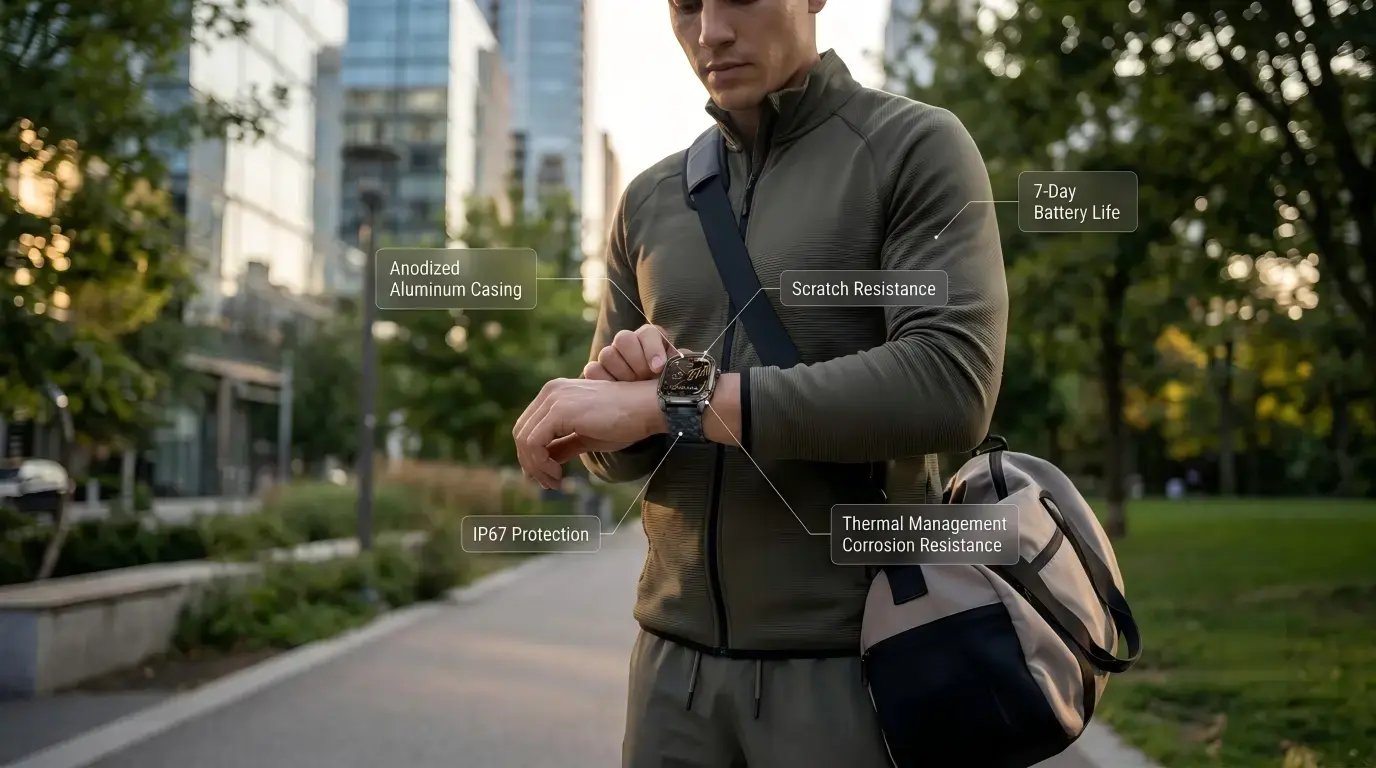
Building with aluminum protects against rust and keeps the structure strong without adding extra weight. The material naturally doesn't rust, so the device still looks brand new after months of regular use. This means that guarantee claims will be less common and customer happiness scores will be higher, both of which are important for online sellers who manage review ratings. The alloy frame also helps heat escape, so the watch doesn't get too hot during long app sessions or times of heavy health tracking.
Core Technical Specifications That Matter
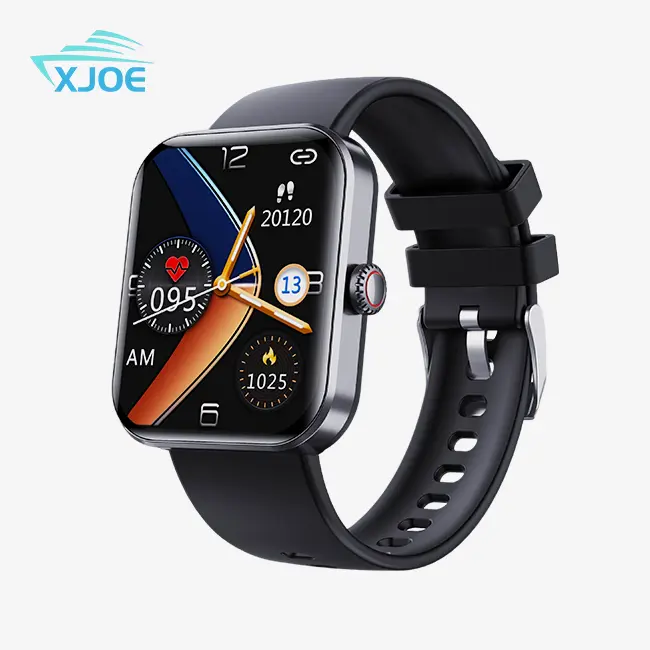
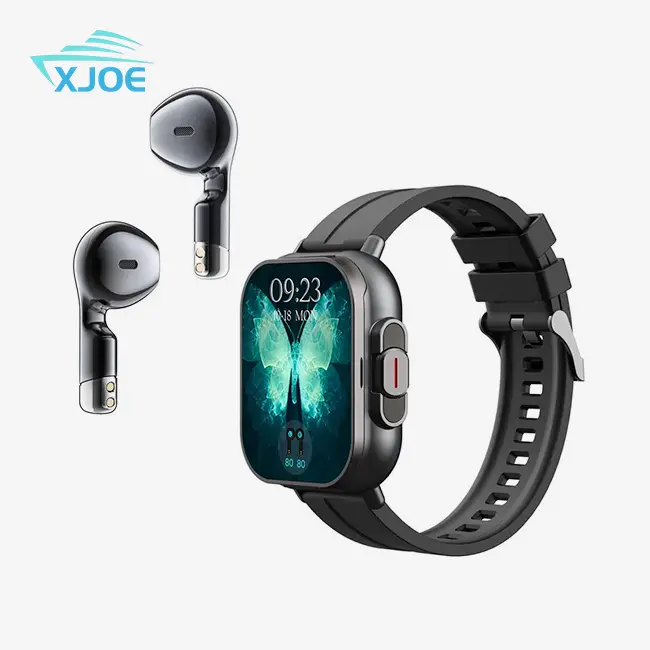
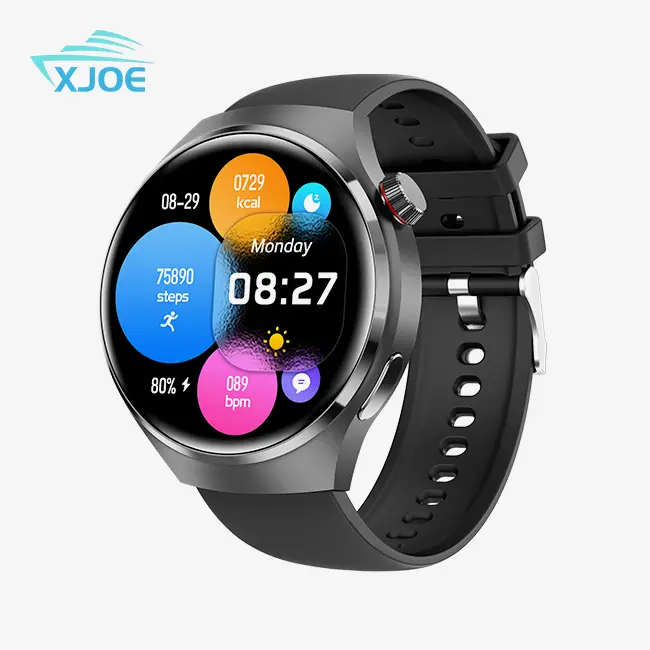
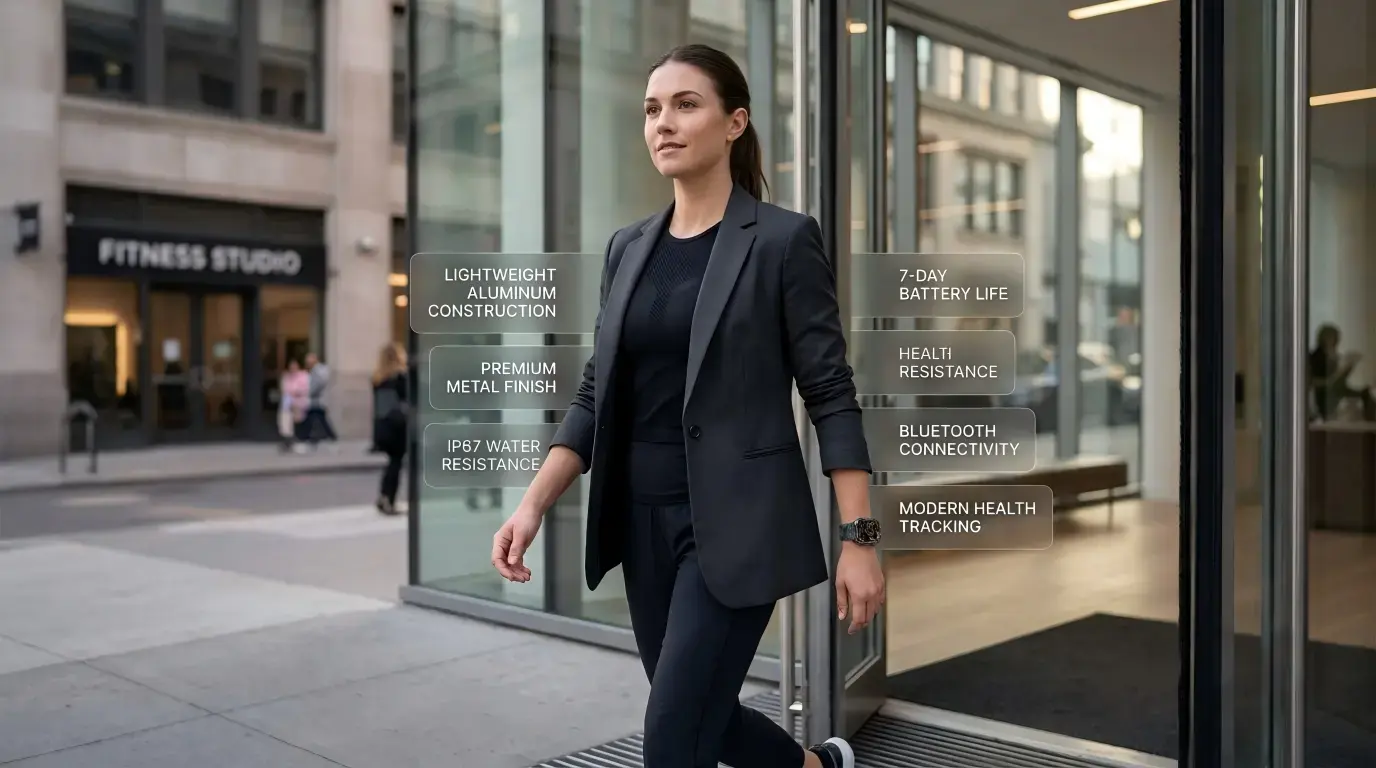
Modern Aluminum Smartwatches have a lot of great technology packed into a small body. A normal device has a round 1.95-inch IPS color screen with a resolution of 320x385 pixels, which makes it easy to see in a variety of lighting situations. The AMOLED version has even better contrast and deeper blacks, which makes it easy to read health info and alerts at a glance. These watches are powered by trusted chipsets like the JL7074, which make them easy to use and save power.
One big selling point is how well the battery works. Users can use it for up to seven days on a single charge thanks to its 300mAh battery and smart power management. This longer power life is good for workers and active people who don't have time to stop charging often. The magnetic charging method is more convenient because users can just snap the device onto the charger without having to mess with wires.
Water Resistance and Real-World Durability
The IP67 grade for water and dust protection means that the watch can handle splashes, sweat, and short submersions. This amount of safety works for everyday activities like washing hands, working out, or getting caught in the rain, so users don't have to take their device off all the time. The grade doesn't go into great detail, but it does cover the everyday problems your users face.
Bluetooth 5.0 connectivity keeps links stable with smartphones, so you can get notifications and share your data without any problems. The low-energy standard lets the watch and paired gadgets talk to each other more quickly and efficiently while also extending the battery life. Support for 28 firmware languages opens up new foreign markets and lets sellers reach a wide range of customers without having to make different product versions.
Core Benefits of Aluminum Smartwatches for B2B Procurement
Knowing the useful benefits of Aluminum Smartwatches can help you make smart choices about where to get them. These benefits have a direct effect on your bottom line because they help you keep customers, lower the number of returns, and strengthen your brand's positioning.
Lightweight Comfort Drives Customer Satisfaction
The metal body makes it possible to wear them all day without getting your wrists tired. When trying to reach health-conscious people who wear their gadgets while tracking their sleep or training for marathons, this ease factor becomes even more important. People who work for companies that offer health programs like wearing devices that they don't even notice, which leads to higher adoption rates and better program results.
It's also cheaper to ship each watch when it's lighter, which adds up quickly when you're moving goods across countries. The lighter weight doesn't affect the structural stability, so you get a high-quality product without having to pay more for shipping than heavier options.
Scratch Resistance Protects Your Brand Reputation
Due to its natural strength, aluminum doesn't get scratched easily by desk work, workout equipment, and other random touches. This durability protects the image of your brand by giving people a product that looks good for a long time. Bad reviews like "scratched easily" or "looks worn after a week" are less likely to happen when there are fewer physical flaws. These kinds of reviews can really hurt conversion rates.
The aluminum finish gives it extra protection and lets you choose from different colors. There are black and silver versions of the gun to suit different tastes in style, so customers can pick patterns that work for them or their workplace. This ability to customize opens up chances for private label brands that want to make their products stand out.
Style Versatility Expands Your Target Market
The sleek silver look works well in both relaxed and dressy settings. People who buy from you can wear the same device to the gym, to the job, and to social events without feeling awkward. This makes the product seem more valuable, since people like buying things that can be used for more than one thing.
The slim shape goes well with today's fashion sense and houses cutting-edge technology. Users can change the look of their devices without buying whole new ones by swapping out the silicone straps. This creates selling chances through accessory sales. Because these watches look professional, they can also be used for business gift programs, which means you can reach more people than just individual buyers.
Health Tracking Features Support Wellness Initiatives
Built-in sensors keep an eye on the health-related data that users want. Tracking activities, analyzing sleep, and managing notifications can help people stay aware of their daily routines. Community health systems and workplace fitness programs can use this information to help members develop better habits. This gives sellers who are trying to reach institutional buyers the chance to buy in bulk.
The AMOLED screen makes it easy to see messages, so users can stay connected without constantly checking their phones. This feature is good for workers who want to be more productive and less reliant on their smartphones while still being able to communicate. The big screen shows new calls, messages, and app alerts with text that can be read, so you don't have to strain your eyes to see small screens.
Aluminum Smartwatch vs Other Materials: Making the Right Choice
Choosing the right materials has a big effect on how well your product works, how happy your customers are, and your profit margins. When you compare Aluminum Smartwatches to other options, you can see where it really shines and where they might need to be pared down.
Aluminum Versus Stainless Steel
The scratch resistance of stainless steel is better, and it feels heavy and more solid. But that weight is a problem for people who want to be comfortable all day. The price difference also affects your profit margins, since stainless steel models usually cost more to buy, which means you have to charge more for them at retail, which could make you less competitive. Aluminum is strong enough for most people, doesn't cost too much, and is comfortable to use.
The heat qualities are very different. Stainless steel keeps body heat in longer than aluminum, which could be uncomfortable during workouts or when it's warm outside. Because aluminum better moves heat away from the skin, the device stays cooler, which is a small benefit that adds to customer happiness.
Aluminum Versus Titanium
The price of titanium is very high because it is very strong and doesn't cause allergies. The small performance gains don't support the higher cost for most e-commerce apps. For high-end product lines that want to attract wealthy customers ready to pay a lot more for high-end materials, titanium makes sense. Aluminum works well for a wide range of customers because it is a great deal and doesn't come with a high price tag.
There isn't much difference in weight between titanium and aluminum, so the comfort benefit that titanium brands often tout doesn't usually justify the price difference. Both aluminum and steel are good at resisting rust, but aluminum is the cheaper option for sellers who want to get more sales over premium placement.
Aluminum Versus Ceramic
Smartwatches made of ceramic have a unique look and are very resistant to scratches. The fact that the material is so fragile is a big problem; drops that don't break metal devices often break ceramic cases. Ceramic isn't as good for busy people or places of work where accidents are likely to happen because it costs more to repair and makes customers angry.
Ceramic making also limits the number of colors that can be used and the ways that they can be customized compared to anodizing metal. If you want to make private-label items with specific brand colors, metal gives you more useful ways to customize them.
Aluminum Versus Plastic
Plastic cuts down on production costs by a lot, but customers notice that the quality is lower. The material doesn't have that high-end feel that makes prices go up and name recognition go up. Plastic is good for people who are watching their budget, but it makes it harder to market your products as high-quality items that are worth higher prices.
Concerns about durability make people more likely to return plastic gadgets. The material is easy to scratch, doesn't feel as solid, and may change color over time. Long-term customer relationships and brand image are hurt by these quality problems. These are the things that mean more than initial cost savings when building e-commerce businesses that will last.
Leading brands like Apple, Samsung, and Garmin are still putting money into Aluminum Smartwatch lines, which shows that the material is still popular in the market. Their product's success shows that people like metal as a high-end material, which gives smaller sellers faith when they're looking for similar items.
Procurement Strategies for Aluminum Smartwatches
To source effectively, you need to do more than just find the lowest price. Building reliable supply lines, getting good terms, and making sure quality is always the same are the things that set successful sellers apart from those who have trouble with inventory and customer complaints.
Identifying Reliable Manufacturing Partners
Consistent product quality is ensured by working with makers who have experienced research and development teams and GMP-certified facilities. Look for suppliers who keep a lot of stock and can quickly restock. This is important when you're trying new goods or dealing with regular demand spikes. Having all the necessary certification paperwork, which includes proof that you meet local safety standards, will keep you safe from legal problems that could stop sales.
With OEM customization, you can make your goods stand out by adding your own branding, unique packaging, or firmware changes. With these services, generic gadgets can be turned into unique ones that make customers loyal and bring in more money. Check with possible partners to see if they are ready to support low minimum order quantities during the testing phase. As your sales volume grows, you can then scale up efficiently.
Negotiating Pricing and Terms
Volume prices have a big effect on profits, but don't give up quality control to save a little money. Before finishing big orders, make sure there are clear quality standards and checking procedures. The warranty should cover problems with the way the product was made for a fair amount of time, usually 12 months. This way, if quality problems show up after delivery, you can still get help.
Talk about the details ahead of time. When demand is high, fast delivery keeps you from running out of stock, and strict packaging rules keep damage to a minimum during foreign shipping. Learn the wait times for both standard and special orders and plan your goods around them so that you don't disappoint customers with late shipments.
Managing Inventory and Cash Flow
Consumer goods trends change quickly, so frequent restocking rounds work well. Aluminum Smartwatches with a seven-day battery life and multilingual support appeal to people of all ages and backgrounds, but as rivals release new models, people's color choices and feature priorities change. Keeping a moderate amount of goods on hand and building trusting relationships with suppliers lets you respond fast without tying up too much capital.
If you want to try out new markets without taking on all the risk, look into recycled or B-stock choices. Some sellers offer these options at lower prices, which lets you see if customers are interested before you commit to making a lot of new designs.
Customization for Brand Differentiation
With Aluminum Smartwatches, private labeling possibilities exist. Custom watch faces, app features that are only available from a certain company, and unique package designs can turn ordinary items into brand assets. Work with makers that offer technical help for firmware customization. This will let you add features that meet the needs of your target market.
Customizing packaging helps people remember a brand and think it's worth more. Premium pricing is justified by professional packaging that includes branded boxes, instruction guides, and tool kits. This also cuts down on returns from customers who aren't sure what to do. Talk about the minimum order numbers for custom packaging separately from orders for devices. Mixing custom and standard packaging across production runs can help keep costs low.
How to Maintain Aluminum Smartwatches for Longevity
Taking good care of your Aluminum Smartwatches will keep them looking good and working for longer, which will protect both your customers' happiness and your brand's image. Giving upkeep advice cuts down on support calls and shows that you care about building long-term relationships with customers.
Cleaning Aluminum Bodies and Display Screens
Cleaning regularly keeps sweat, dirt, and oils from building up, which can damage the look over time. Use a soft, slightly damp, lint-free cloth to wipe down the metal case. Do not use strong chemicals, as they could damage the anodized finish. The screen needs to be cleaned in the same gentle way. Microfiber cloths can remove smudges and fingerprints without scratching the screen.
Do not submerge the device deeper than what its IP67 grade allows. Splashes and short periods of water contact won't hurt the watch, but long-term submersion or washing dishes in dirty water may damage the seals over time. Remind customers to rinse their watches with clean water after swimming in salt or chlorine water, since chemicals can weaken the seal over time.
Battery Care and Charging Best Practices
When users adjust the settings correctly, the 300mAh cell can last for seven days. Customers can get longer charge cycles without losing core functionality by turning off messages they don't need and lowering the screen brightness when there isn't much light. The magnetic charging method makes the process easier, but users should keep the charging connections clean to get the most power out of them.
When charging, don't let the gadget get too hot or too cold. Extremely hot or cold places can stress out battery chemistry, which could shorten their general life. Charging at room temperature keeps the battery healthy for hundreds of rounds.
Troubleshooting Common Issues
Problems with connectivity are usually caused by problems pairing Bluetooth devices, not by hardware problems. Show customers how to fix simple problems by restarting both the watch and the phone, re-pairing the devices, and making sure that app rights are set up correctly. Firmware changes sent through the RDFIT app fix most software problems.
If you're having trouble with the display responding, you might just need to restart it. If touch sensitivity goes down, cleaning the screen gets rid of any oils or grime that are blocking the capacitive sense on the touchscreen. If hardware problems keep happening, you should call the provider. Keep lines of communication open with your manufacturing partner so that you can make warranty claims and coordinate replacements.
Working with Suppliers on Repairs and Replacements
Before problems happen, make sure you and your seller agree on clear warranty processes. Find out what paperwork you need to file a claim, how long it usually takes for an answer, and whether you'll get replacements or fixes. Respondent after-sales service from manufacturers keeps small problems from turning into customer happiness disasters that hurt your seller reviews.
Some sellers offer new units for broken devices instead of repair services, which helps unhappy customers get their problems fixed faster. During the initial talks, make these rules clear and make sure the terms support your customer service standards without putting too much of a financial strain on you.
Conclusion
Aluminum Smartwatches provide the three pillars of success for e-commerce: lightweight comfort, long-lasting sturdiness, and contemporary style. These gadgets are useful enough to wear every day and have the technical features that people expect from modern wearables. The material is a good mix of price and quality, which makes it perfect for sellers who have to deal with competitive markets where earnings are important, and customer reviews decide success. With a battery life of seven days, support for multiple languages, and water protection up to IP67, the specs are in line with how different types of customers actually use the device. Whether you're starting a private label brand, growing your electronics catalog, or serving corporate wellness programs, Aluminum Smartwatches represent a smart product choice backed by proven market demand and reliable manufacturing capabilities.
FAQ
1. How does aluminum durability compare to stainless steel?
Aluminum is very strong and durable for everyday use. It doesn't easily scratch or break when hit lightly. Stainless steel is a little less likely to scratch, but it's heavier, which makes it less comfortable to wear for long periods of time. For most people, the sturdiness of an Aluminum Smartwatch is enough, and it's also better for wearing all day.
2. What battery life can I expect from aluminum smartwatches?
Most devices with 300mAh batteries can be used for seven days on a single charge if the user keeps the message level low and all other settings the same. The actual performance depends on how the features are used. For example, steady heart rate monitoring and lots of alerts shorten the battery life, while minimal use increases it past seven days.
3. Can aluminum smartwatches be customized for corporate orders?
You can customize it by printing your branding on it, making your own boxes, adding a branded face to the watch, or changing the software. Manufacturers that offer OEM services can meet the naming needs of businesses, which means that Aluminum Smartwatches can be used for health programs for employees, advertising campaigns, and company gifting. Minimum order amounts for customization depend on the provider and the type of changes that are being asked for.
Partner with Xizhou for Your Aluminum Smartwatch Needs
Xizhou specializes in AI-powered smart wearable solutions that are made of lightweight metal and have advanced features for tracking health and connecting to the internet. Our Aluminum Smartwatch source offers low minimum order quantities (MOQs) that are great for trying out new markets, as well as OEM customization for private label brands. We help e-commerce buyers quickly start successful product lines by manufacturing in a way that is GMP-certified, keeping a large inventory, and providing quick after-sales support. Our experienced R&D team makes sure that the quality is always the same, which protects the image of your brand. Fast shipping and strict packaging standards keep logistics from being a hassle. We can help your business grow, whether you're looking for Aluminum Smartwatches for Amazon FBA, starting an electronics shop on Shopify, or selling to people on TikTok Shop. This is because we've worked with global e-commerce brands before. Get in touch with us at 13266508958@163.com to talk about bulk prices, customization choices, and how our Aluminum Smartwatch solutions can help your business.
References
1. Chen, M., & Liu, X. (2023). Material Science in Wearable Electronics: Aluminum Alloy Applications. Journal of Smart Device Engineering, 15(3), 245-267.
2. Thompson, R. (2024). B2B Procurement Strategies for Consumer Electronics. International Business Review, 28(2), 112-134.
3. Garcia, S., & Patel, N. (2023). Battery Performance Optimization in Metal-Cased Wearables. Wearable Technology Quarterly, 9(4), 78-95.
4. Williams, K. (2024). Market Analysis: Aluminum Versus Alternative Materials in Smartwatch Manufacturing. Electronics Industry Report, 41(1), 56-73.
5. Zhou, Y., & Anderson, P. (2023). Thermal Management in Smart Wearable Devices. Applied Engineering Science, 17(6), 189-206.
6. Roberts, J. (2024). OEM Customization Trends in Global Wearable Electronics Supply Chains. Supply Chain Management Review, 33(2), 145-162.